Nepal Lawmakers Propose Stricter Everest Climbing Regulations
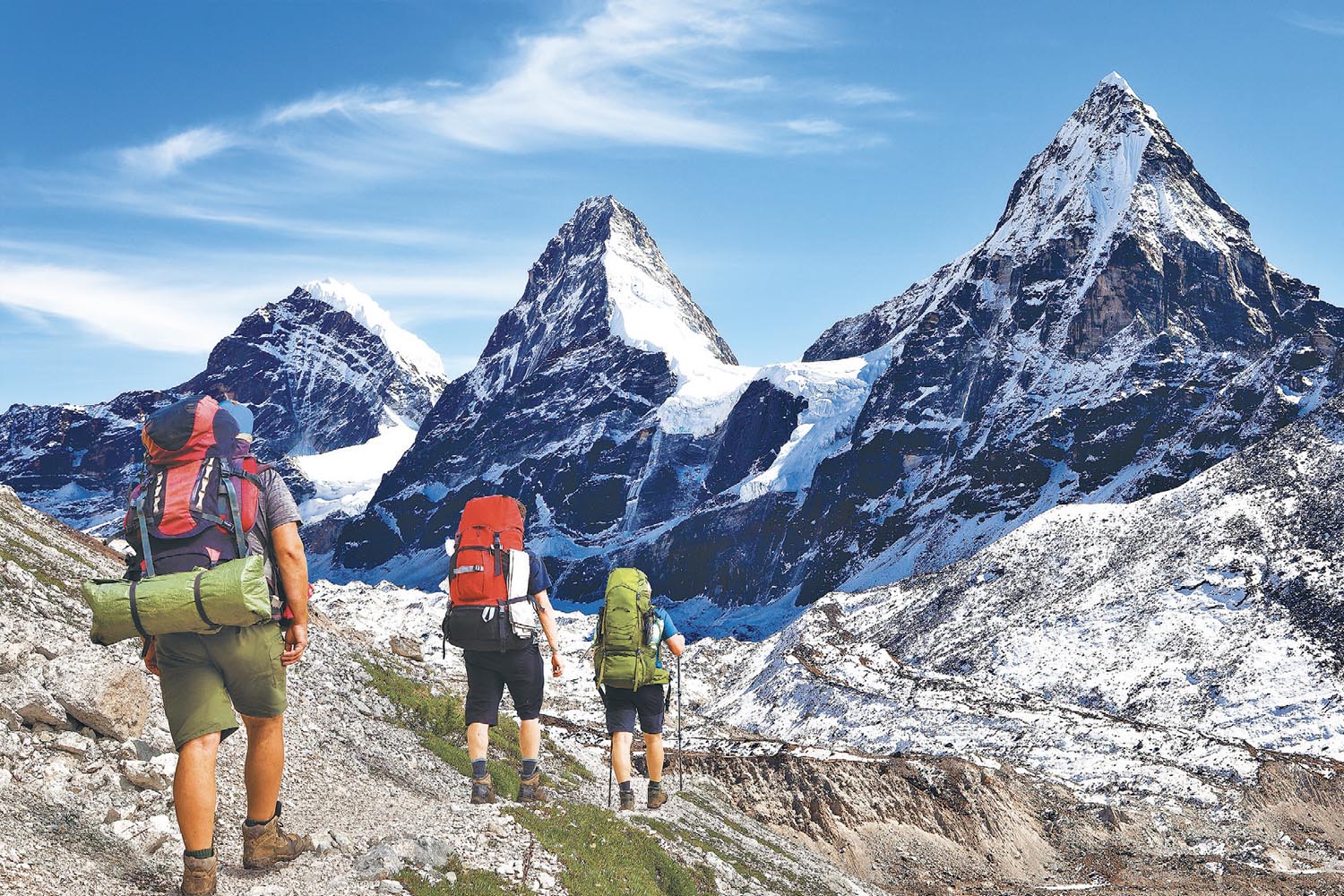
Lawmakers in Nepal are pushing for significantly tougher regulations on Mount Everest expeditions, proposing 263 amendments to the country's Tourism Bill. These proposed changes aim to enhance safety and environmental protection on the world's highest peak. Key proposals include requiring climbers to first successfully ascend peaks of 7,000 and 8,000 meters before attempting Everest. Additionally, there's a suggestion to auction Everest climbing permits, a move that could alter the current allocation system. The amendments also call for stricter insurance requirements for climbers and expedition companies. Environmental concerns are addressed with a proposed zero-waste policy for all expeditions. Furthermore, the bill seeks to tighten oversight of foreign tour operators and digital platforms involved in promoting and managing Everest tourism.
The proposed amendments to Nepal's Tourism Bill reflect a growing awareness of the challenges associated with managing high-volume tourism on Everest, including safety risks and environmental degradation. Requiring prior ascents of lesser peaks could serve as a more robust vetting mechanism, potentially reducing accidents caused by inexperience. Auctioning permits, while potentially generating more revenue, introduces market dynamics that could favor commercial entities with deeper pockets, possibly impacting accessibility for less-funded climbers or organizations. The focus on stricter insurance and zero-waste policies addresses critical sustainability and liability issues. These regulatory shifts indicate a move towards a more controlled and potentially more sustainable model for Everest tourism, balancing economic interests with climber safety and environmental preservation in the face of increasing global interest.
AI-generated to prompt reflection — not editorial opinion, not advice, not a statement of fact. How this works.