Nepal Misses World Cup Again, Returns Empty-Handed
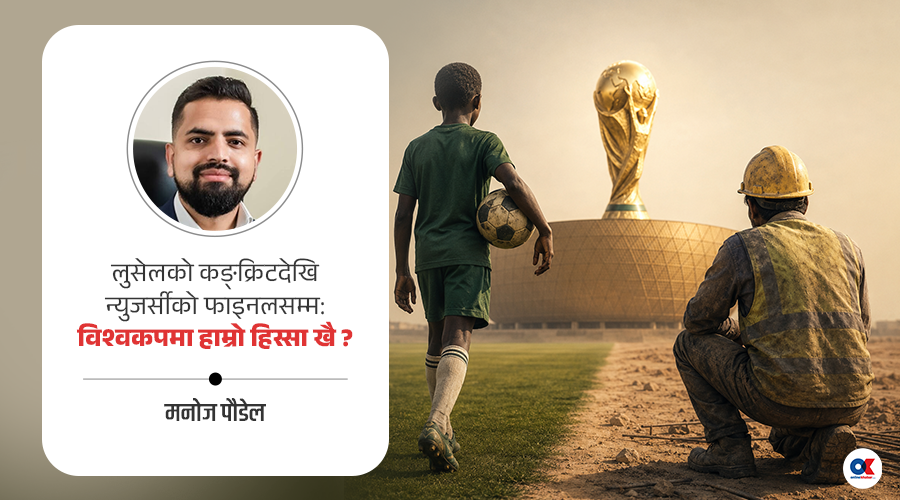
Nepal has once again failed to qualify for the World Cup, returning without achieving its goal. The current system in place is described as not only inverted but also devoid of humanity. Unlike in football, where the entity responsible for transporting individuals bears the cost, Nepal's system for 'taking people' results in those same individuals, described as 'simple hands,' leaving burdened with debt. This highlights a stark contrast in how responsibilities and burdens are managed in different contexts.
The narrative surrounding Nepal's repeated failure to qualify for the World Cup, coupled with the critique of its domestic 'people-taking' system, suggests a broader theme of systemic inefficiency and inequitable burden distribution. The comparison to football rules, where responsibility is clearly assigned, underscores a perceived lack of accountability or fairness in national processes. This situation may reflect underlying governance challenges or economic pressures that disproportionately affect individuals, leading to debt rather than opportunity. Examining the incentive structures within these systems could reveal opportunities for reform that align with principles of fairness and sustainable development, potentially fostering greater national achievement and individual well-being in the long term.
AI-generated to prompt reflection — not editorial opinion, not advice, not a statement of fact. How this works.