Nepal MP Warns of 'Liquidity Trap' Due to Surging Bank Deposits
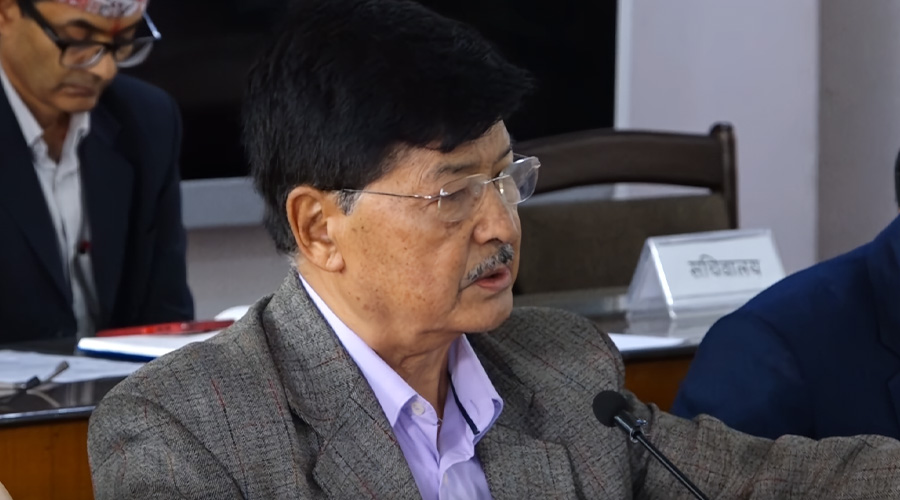
Member of Parliament Parshuram Tamang, affiliated with the Communist Party of Nepal (NCP), has issued a warning regarding the country's financial stability. Speaking in a meeting of the Finance Committee of the House of Representatives on Sunday, June 7th (Ashar 21st), Tamang expressed concern that the increasing liquidity within the banking system could push Nepal into a 'liquidity trap'. He described the current situation as a significant accumulation of liquid assets in banks, a phenomenon he has termed a 'liquidity trap'. Tamang indicated that this trend is expected to continue and potentially worsen. The implication of a liquidity trap is that despite abundant money supply, economic growth may stagnate because monetary policy becomes ineffective. This situation can arise when interest rates are already very low, and banks or individuals prefer to hold onto cash rather than invest or lend it out, even with additional liquidity. The MP's statement highlights a potential macroeconomic challenge facing Nepal, suggesting that the surplus funds in banks may not translate into productive economic activity.
The observation by MP Tamang points to a potential macroeconomic imbalance where increased bank liquidity, while seemingly positive, may not stimulate economic growth. This scenario, termed a 'liquidity trap,' suggests that monetary policy tools could become less effective if banks and individuals hoard cash instead of investing or lending. This could stem from a lack of confidence in future economic prospects, insufficient investment opportunities, or structural issues within the financial system. Addressing this requires not only managing liquidity levels but also fostering an environment conducive to investment and economic expansion. Policymakers may need to consider fiscal stimulus, structural reforms to improve the investment climate, or measures to boost domestic demand to break such a potential cycle and ensure liquidity translates into tangible economic progress over the next decade.
AI-generated to prompt reflection — not editorial opinion, not advice, not a statement of fact. How this works.