Nepal Municipality Plants Fruit Trees to Deter Monkeys from Farmland
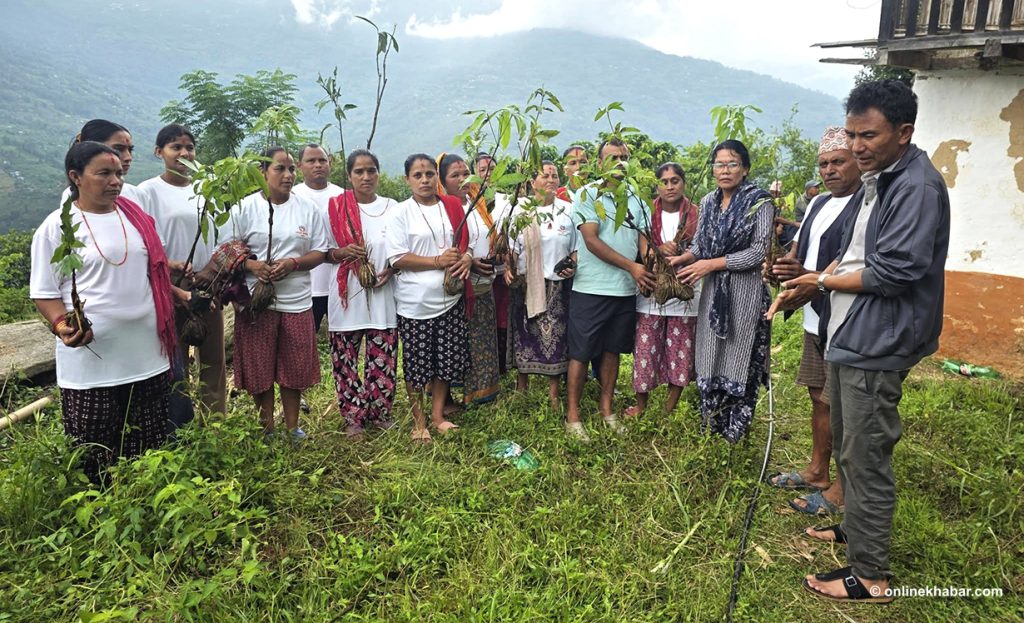
Farmers in the hilly villages of Nepal are facing significant challenges due to monkey predation on their crops. Monkey troops are destroying crops like maize, millet, and paddy just before harvest, leaving farmers discouraged. In response to this persistent problem, Laligurans Municipality in Tehrathum district has launched an innovative campaign to address the issue long-term. The municipality is planting fruit trees within the forests. The initiative aims to provide an alternative food source for the monkeys, thereby encouraging them to stay within their natural habitat. By diverting monkeys away from agricultural lands, the municipality hopes to protect the crops and alleviate the economic losses faced by local farmers. This creative approach seeks to establish a sustainable coexistence between wildlife and agricultural communities. The success of this program could offer a replicable model for other regions grappling with similar human-wildlife conflicts.
This initiative by Laligurans Municipality addresses a growing human-wildlife conflict by seeking to alter animal behavior through environmental modification. Instead of relying solely on deterrents or reactive measures, the strategy focuses on providing an alternative food source for monkeys within their natural habitat. This approach acknowledges the ecological needs of wildlife while aiming to protect agricultural livelihoods. Such interventions, when thoughtfully implemented, can foster more sustainable coexistence by addressing root causes rather than symptoms. The long-term success will depend on factors like the availability and palatability of the planted fruits, the monkeys' adaptability to these new food sources, and the scale of the intervention relative to the monkey population and agricultural area. Future considerations might involve community engagement, monitoring crop damage trends, and potentially integrating this with broader biodiversity conservation efforts.
AI-generated to prompt reflection — not editorial opinion, not advice, not a statement of fact. How this works.