Nepal Needs Strong Institutions, Not a Directly Elected Executive
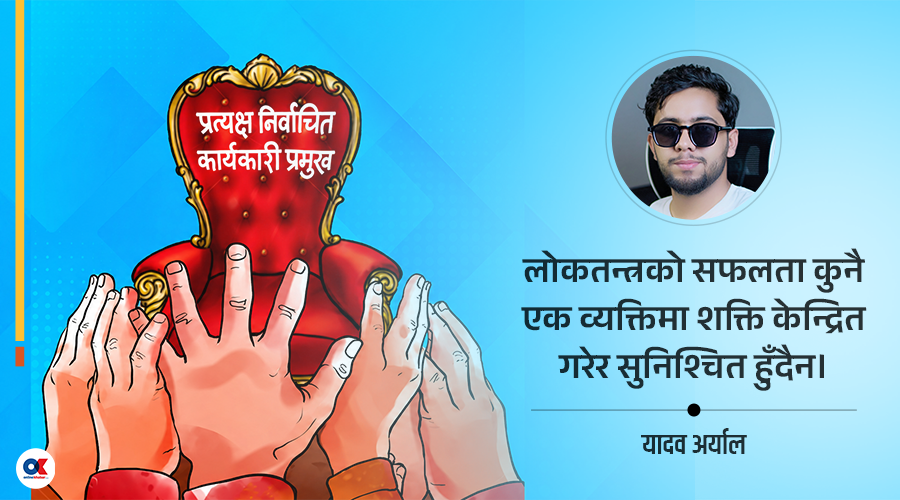
While a directly elected executive could offer stable government and clear leadership, Nepal's context of weak institutions and a diverse social structure presents significant risks. Such a system could foster personality-driven power, political polarization, and the concentration of authority. The article argues that sustainable political stability in Nepal hinges not on systemic change, but on accountable political parties, robust institutions, and faithful adherence to the constitution. The focus should be on strengthening existing frameworks rather than introducing a system that might exacerbate existing societal divisions.
The discussion around a directly elected executive in Nepal highlights a common tension between centralized power for decisive action and the potential for its abuse in diverse societies. While proponents may cite efficiency, the analysis suggests that in Nepal's specific socio-political environment, such a system could amplify existing vulnerabilities like political fragmentation and power concentration. The emphasis on strengthening institutions and ensuring constitutional fidelity points to a recognition that good governance is often more about process and accountability than the specific structure of executive power. The long-term challenge lies in fostering a political culture that prioritizes institutional resilience and broad participation over individual leadership, particularly as technological and societal shifts continue to reshape governance dynamics globally.
AI-generated to prompt reflection — not editorial opinion, not advice, not a statement of fact. How this works.