Nepal: Officials Urge Dr. KC to Negotiate, Not Protest
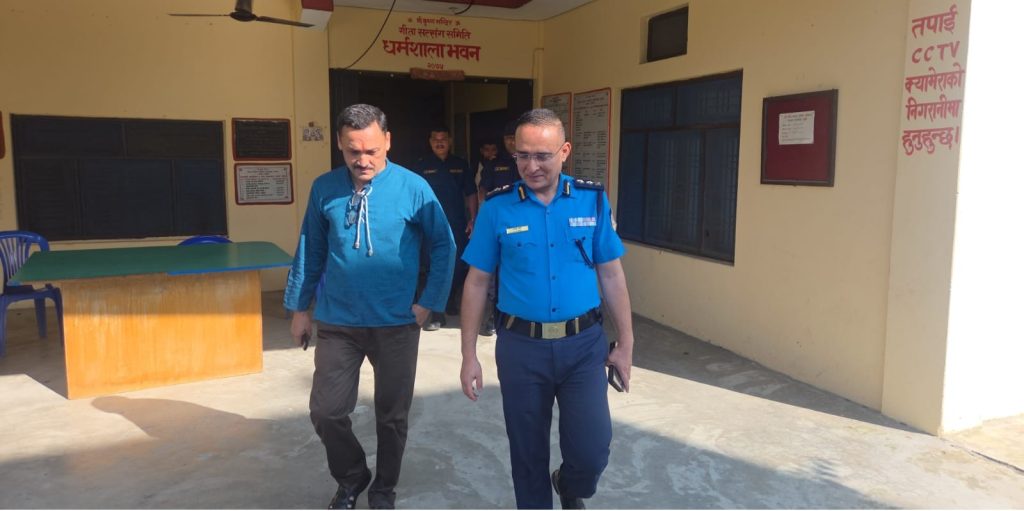
In Kailali, Nepal, the Chief District Officer (CDO) and Superintendent of Police (SP) met with Dr. Govinda KC to discuss his ongoing hunger strike. The officials advised Dr. KC that engaging in dialogue and negotiation with the government would be a more constructive approach. They suggested exploring alternative methods and channels for presenting his demands, rather than continuing with the protest. However, Dr. KC has maintained a firm stance, declaring he will not end his hunger strike until the government addresses his demands. The specifics of his demands and the government's response were not detailed in the report.
This situation highlights a recurring tension between citizen activism and governmental response in Nepal. While Dr. KC employs a high-stakes protest method to force policy changes, officials are advocating for established negotiation channels. The officials' suggestion to utilize 'other means and mediums' implies a desire to de-escalate the immediate public pressure and potentially manage the demands within existing bureaucratic or political frameworks. This approach, while prioritizing stability, risks marginalizing the urgency felt by activists if the negotiation process proves slow or unresponsive. The core challenge lies in finding a sustainable balance where citizen grievances can be effectively addressed without resorting to methods that strain public resources and well-being, and where government responsiveness is incentivized beyond just reacting to extreme pressure.
AI-generated to prompt reflection — not editorial opinion, not advice, not a statement of fact. How this works.