Nepal Parliament: CPN-UML Questions PM, Home Minister's Resignation Over Sunsari Incident
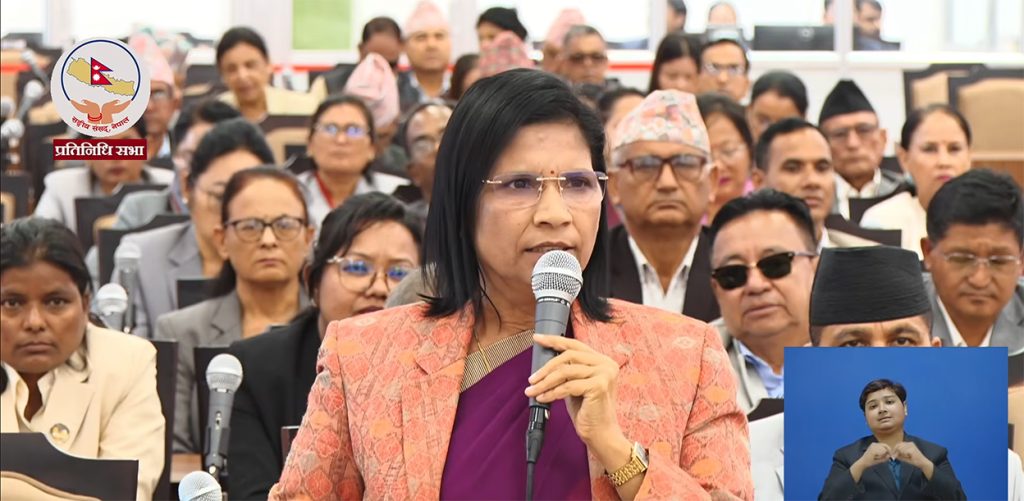
During a session of the House of Representatives, the Communist Party of Nepal (Unified Marxist-Leninist) or CPN-UML questioned why the Prime Minister and the Home Minister should not resign, taking moral responsibility for an incident in Sunsari. The parliamentary session resumed after a 14-day hiatus. Deputy leader of the CPN-UML parliamentary party, Padma Aryal, recalled a past incident in Kathmandu where the then Prime Minister and Home Minister were held accountable after gunfire. Aryal drew a parallel, asking why a similar standard of accountability should not apply to the situation in Sunsari, where lives were lost.
The CPN-UML's parliamentary inquiry into the Sunsari incident highlights a recurring theme in political accountability: the demand for ministerial resignations following public tragedies. This tactic often serves to exert political pressure and scrutinize governance failures. The comparison to past events in Kathmandu aims to establish a precedent for accountability, framing the current government's response as potentially inadequate. Future governance frameworks may need to clarify the precise criteria and processes for holding high-level officials responsible in such critical situations, moving beyond immediate political demands to establish more robust and predictable systems of oversight and consequence.
AI-generated to prompt reflection — not editorial opinion, not advice, not a statement of fact. How this works.