Nepal Parliament Debates Urgent Motion on Squatter Rights and Human Dignity
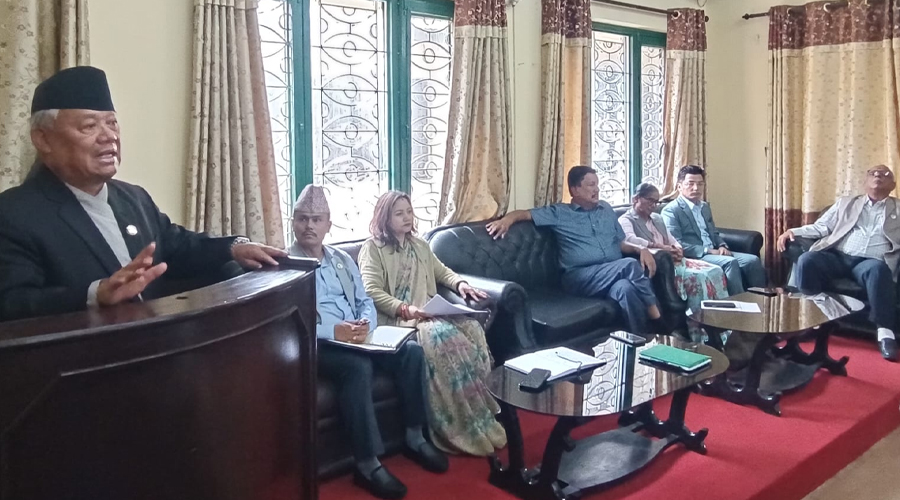
An urgent motion of public importance has been presented in the Nepali Parliament concerning the status of squatters' fundamental rights and human dignity. The motion aims to investigate the current conditions and push for the implementation of these rights. The Constitution of Nepal guarantees every citizen the right to live with dignity, access education, healthcare, food, social security, and adequate housing. However, the motion highlights that these constitutional provisions are not being effectively implemented for all citizens. The proposal was brought forth by a member of the Nepali Congress parliamentary party, indicating a significant political push for addressing the issue. The debate signifies a crucial step in holding the government accountable for ensuring basic human rights and housing for its most vulnerable populations. The discussion is expected to lead to policy reviews and potential interventions to improve the lives of those living in informal settlements across Nepal. This parliamentary action underscores the ongoing struggle for equitable access to essential services and dignified living conditions.
The parliamentary motion in Nepal addresses the critical gap between constitutional guarantees and the lived realities of squatters, particularly concerning fundamental human rights and housing. This situation reflects a common challenge in many developing nations where rapid urbanization and economic disparities create large informal settlements. The debate highlights the tension between property rights, urban planning imperatives, and the state's obligation to provide basic necessities. Future policy interventions will likely need to balance economic development goals with social equity, potentially exploring land redistribution, affordable housing initiatives, and improved urban governance frameworks. The effectiveness of any proposed solutions will depend on robust implementation and a commitment to inclusive development that prioritizes the dignity and well-being of all citizens, especially marginalized communities.
AI-generated to prompt reflection — not editorial opinion, not advice, not a statement of fact. How this works.