Nepal Prioritizes EVs and Climate-Resilient Infrastructure
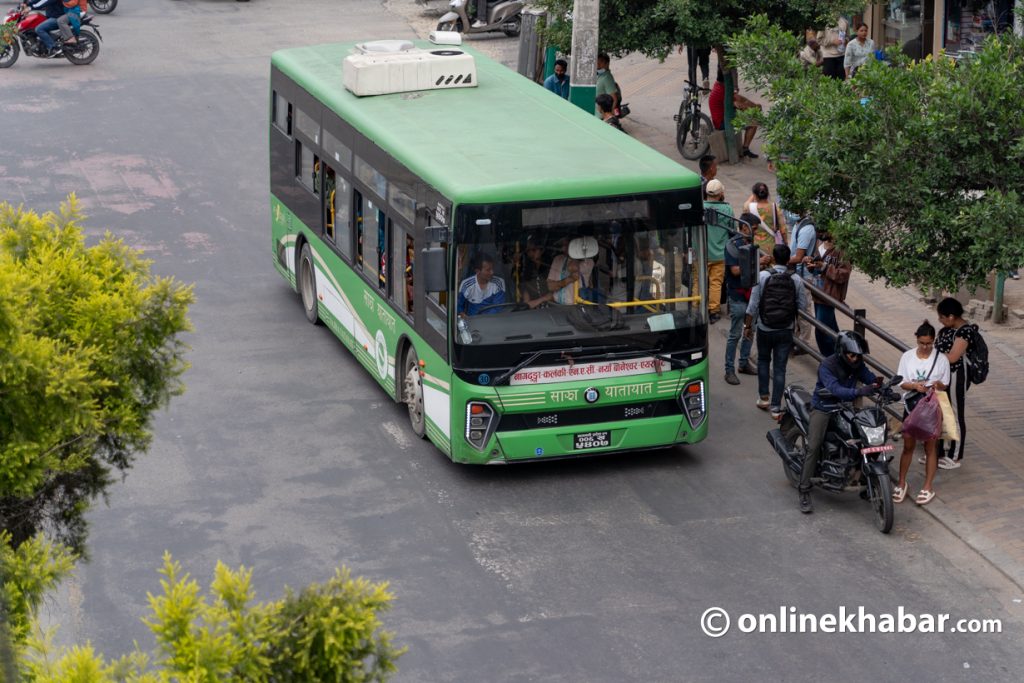
The Nepali government has adopted a policy to prioritize the use of electric vehicles (EVs) in public transportation. To support this transition, an integrated framework will be implemented for the development of EV charging station infrastructure, battery swapping facilities, and green corridors. This initiative aims to foster a more sustainable and environmentally friendly transportation system within the country. The focus on EVs aligns with global efforts to reduce carbon emissions and combat climate change. The development of charging and battery swapping stations is crucial for ensuring the practicality and widespread adoption of electric vehicles. Green corridors will likely facilitate smoother and more efficient travel for EVs. This policy signals a significant step towards modernizing Nepal's public transport sector and addressing environmental concerns.
Nepal's strategic focus on electric vehicles (EVs) and climate-resilient infrastructure signals a forward-looking approach to transportation and urban development. By prioritizing EVs in public transport and establishing supporting infrastructure like charging stations and battery swapping facilities, the government is aligning with global decarbonization trends. This policy could reduce reliance on fossil fuels, improve air quality, and potentially lower operational costs for public transport operators over the long term. The emphasis on green corridors suggests an integrated planning approach that considers the entire ecosystem for EV mobility. Challenges may include the significant upfront investment required for infrastructure, ensuring grid stability with increased electricity demand, and the equitable distribution of charging facilities across different regions. Successfully navigating these challenges will be key to realizing the environmental and economic benefits of this transition.
AI-generated to prompt reflection — not editorial opinion, not advice, not a statement of fact. How this works.