Nepal Proposes Price Adjustments for 60 Types of Medicines
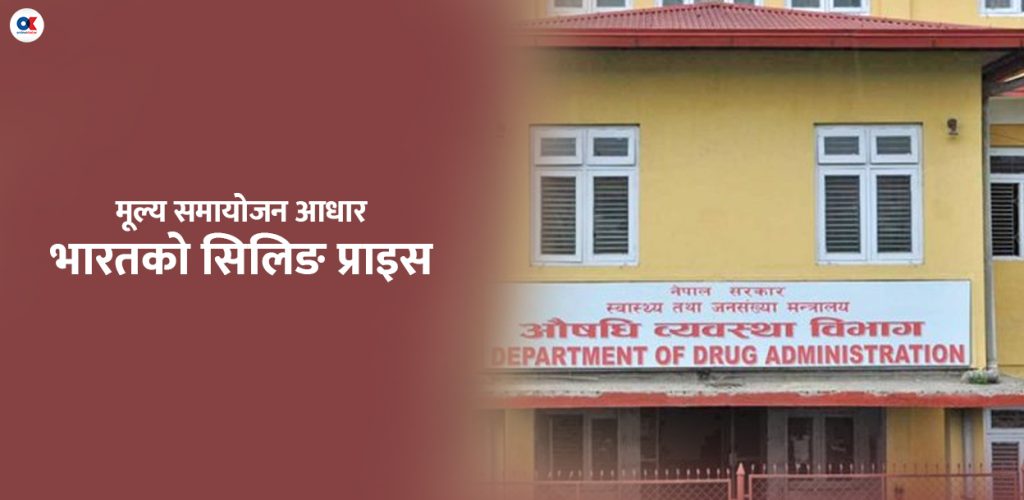
Nepal's Department of Drug Administration has proposed adjusting the prices of 60 different types of medicines. This proposal aims to align domestic drug pricing with India's ceiling price regulations. The adjustment is expected to lead to price increases for some medications while others may see a decrease. The Department of Drug Administration is responsible for overseeing drug quality, availability, and pricing within the country. This move is intended to harmonize pricing structures and potentially improve the accessibility or affordability of certain essential drugs. The specific list of 60 drugs and the extent of their price changes are yet to be finalized and officially announced. Stakeholders, including pharmaceutical companies and consumer groups, will likely be consulted before any final decisions are made. The government's objective is to ensure fair pricing practices in the pharmaceutical sector.
The proposed price adjustment for 60 medicines, benchmarked against India's ceiling prices, reflects an effort to rationalize pharmaceutical pricing within Nepal. This policy intervention could streamline market dynamics by aligning with a larger regional pricing structure, potentially impacting both the affordability for consumers and the profitability of domestic and international drug manufacturers. The dual effect of price increases for some drugs and decreases for others highlights the complex interplay of manufacturing costs, import duties, and market demand. Such regulatory adjustments are critical for ensuring equitable access to essential medicines while balancing the economic viability of the pharmaceutical industry, especially in the context of evolving healthcare needs and global supply chains.
AI-generated to prompt reflection — not editorial opinion, not advice, not a statement of fact. How this works.