Nepal Proposes Renewal of Preferential Access for Goods in US Market
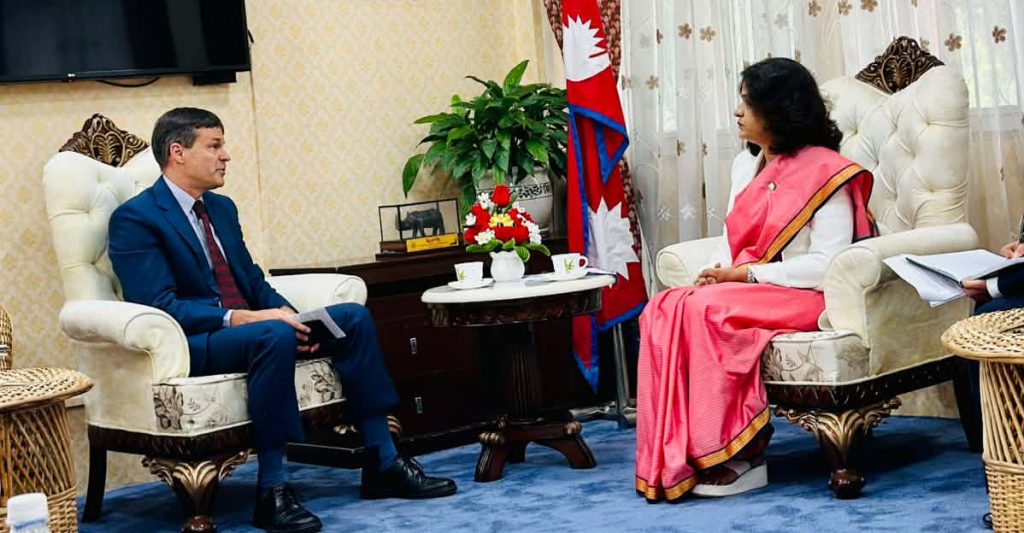
Nepal has formally proposed the renewal of preferential trade access for its goods in the United States market. This initiative aims to bolster Nepal's economic development and expand its trade capabilities. Acting U.S. Ambassador Scott Overmoyer has affirmed the U.S. government's commitment to ongoing partnership with Nepal in its economic growth and trade expansion efforts. The proposal signifies Nepal's strategic move to leverage international trade agreements for domestic economic advancement. This renewal would likely provide Nepali businesses with continued advantages in accessing the lucrative American consumer base. The U.S. government's stated commitment suggests a willingness to explore avenues for sustained bilateral economic cooperation. Further discussions are expected to clarify the terms and scope of the renewed preferential access. This development is crucial for Nepal's export-oriented industries seeking to compete globally.
Nepal's proposal to renew preferential market access in the U.S. highlights the strategic importance of trade policy for developing economies. Such agreements, often termed Generalized System of Preferences (GSP) or similar initiatives, can provide significant competitive advantages by reducing tariffs and simplifying trade procedures. The U.S. government's stated commitment to partnership suggests an alignment of interests, potentially driven by geopolitical considerations or a desire to foster stable economic relationships. For Nepal, the renewal is critical for sustaining export growth and attracting foreign investment. The long-term implications will depend on the specific terms negotiated, the capacity of Nepali industries to meet U.S. quality and quantity standards, and the broader global trade environment. This move also underscores the ongoing challenge for developing nations to secure and maintain favorable trade terms in a complex international economic landscape.
AI-generated to prompt reflection — not editorial opinion, not advice, not a statement of fact. How this works.