Nepal Province Imposes Environmental Tax on Large Industries, Increases License and Land Tax
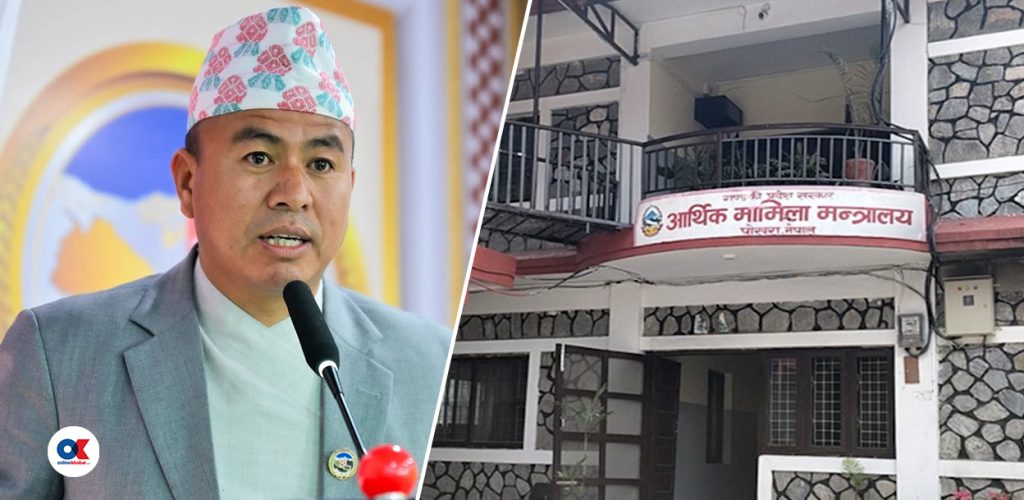
The Gandaki Province in Nepal has announced new environmental taxes targeting large industries. These taxes will be levied based on capital investment and will affect sectors such as cement, beer and liquor, cigarette, plastic, noodle, biscuit, and chocolate manufacturing. Additionally, industries producing alcoholic beverages in glass bottles, gutka, and other tobacco products, as well as brick kilns, will be subject to this environmental fee. The province has also increased the fees for vehicle licenses and land revenue taxes. This move aims to generate revenue and potentially encourage more environmentally sustainable practices among major industrial players.
The Gandaki Province's decision to implement an environmental tax on large industries, alongside increased license and land taxes, reflects a growing trend of sub-national governments seeking new revenue streams and attempting to address environmental externalities. By linking the environmental tax to capital investment, the province incentivizes companies to consider the environmental impact of their scale of operations. This policy could foster a more equitable distribution of the costs associated with industrial pollution. However, the effectiveness will depend on the clarity of implementation, enforcement mechanisms, and the potential for these new taxes to inadvertently hinder economic growth or lead to capital flight if not carefully balanced with other economic considerations. The long-term impact will be shaped by how these measures interact with national environmental regulations and broader economic development strategies in the coming decade.
AI-generated to prompt reflection — not editorial opinion, not advice, not a statement of fact. How this works.