Nepal: Provincial Ministers' Authority Questioned by Federal Minister's Statements
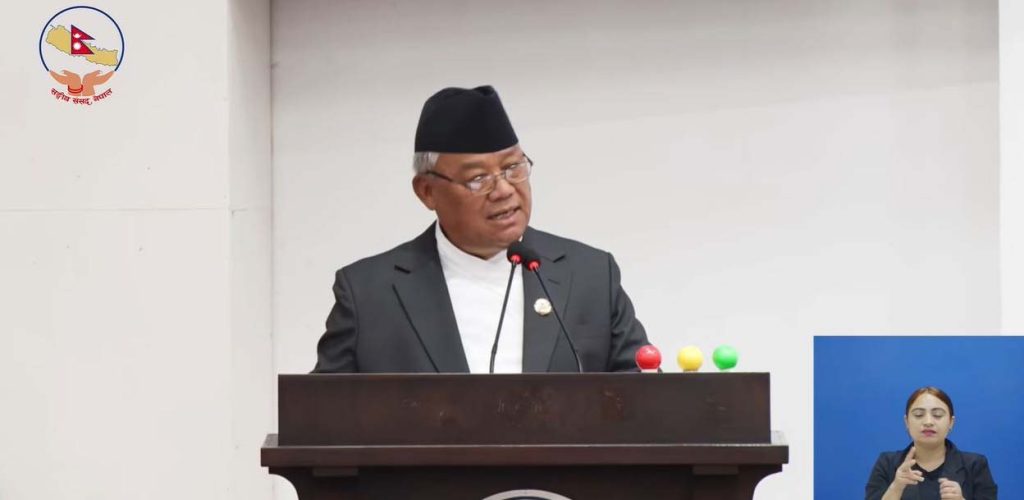
Questions have been raised regarding the statements made by a federal minister concerning provincial ministers and mayors. The minister's remarks, which included threats of physical harm and punitive actions, have drawn scrutiny. These statements were made in the context of provincial ministers and mayors being elected by the people. The core issue revolves around the federal minister's perceived overreach and the potential implications for the autonomy of elected provincial officials. The original statement implies a power struggle or a misunderstanding of the roles and responsibilities within Nepal's federal structure. The public and political observers are seeking clarity on the relationship between federal and provincial governance, particularly concerning the authority of elected representatives at both levels. The situation highlights ongoing discussions about the balance of power and the respect for democratic mandates within the country's governance framework.
The federal minister's public statements appear to challenge the legitimacy and operational autonomy of elected provincial officials. Such rhetoric, if not carefully contextualized within legal and constitutional frameworks, could undermine public trust in democratic institutions and create uncertainty regarding the division of powers. It is crucial to examine the underlying incentives that might lead a federal minister to make such pronouncements, potentially related to political maneuvering or attempts to assert central authority. Moving forward, clear communication and adherence to established governance protocols are essential to ensure stability and respect for elected mandates across all levels of government in Nepal.
AI-generated to prompt reflection — not editorial opinion, not advice, not a statement of fact. How this works.