Nepal Reorganizes Security Leadership Amidst Sunsari Violence Concerns
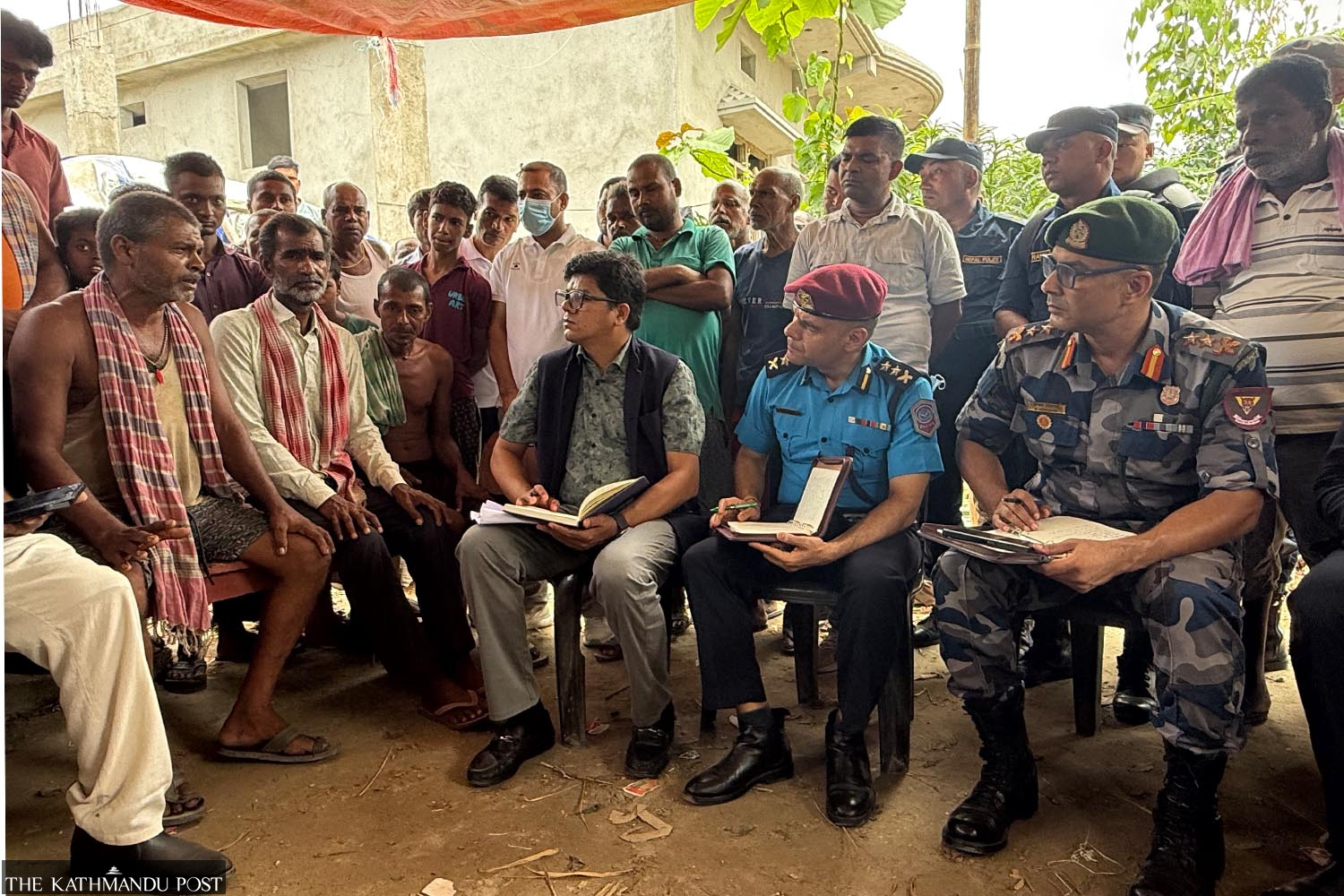
Nepal's government has initiated a reshuffling of its security leadership in response to recent violence in Sunsari. The move comes as officials engage in discussions regarding the potential for escalation of the conflict. Simultaneously, significant questions have arisen concerning the effectiveness of coordination among security agencies, the accuracy of intelligence assessments, and the overall crisis management capabilities of the government. The specific nature of the violence in Sunsari has prompted a high-level review of the nation's security apparatus. This internal review aims to address perceived weaknesses and ensure a more robust response to future incidents. The government's actions signal a recognition of the need for improved operational readiness and strategic planning within its security forces. The ongoing debate among officials highlights the delicate balance between managing immediate security threats and preventing broader instability. Further details on the specific leadership changes and the findings of the intelligence and coordination reviews are expected to be released.
The government's response, involving leadership changes and a focus on coordination and intelligence, suggests a reactive approach to security incidents. This pattern, if repeated, could indicate systemic issues in proactive threat identification and response planning within Nepal's security framework. Future policy should consider strengthening inter-agency communication protocols and investing in advanced intelligence analysis capabilities to mitigate escalation risks and enhance crisis management effectiveness, particularly in the context of evolving regional dynamics.
AI-generated to prompt reflection — not editorial opinion, not advice, not a statement of fact. How this works.