Nepal's Air Travel Suffers as Soaring Fuel Prices Ground Passengers
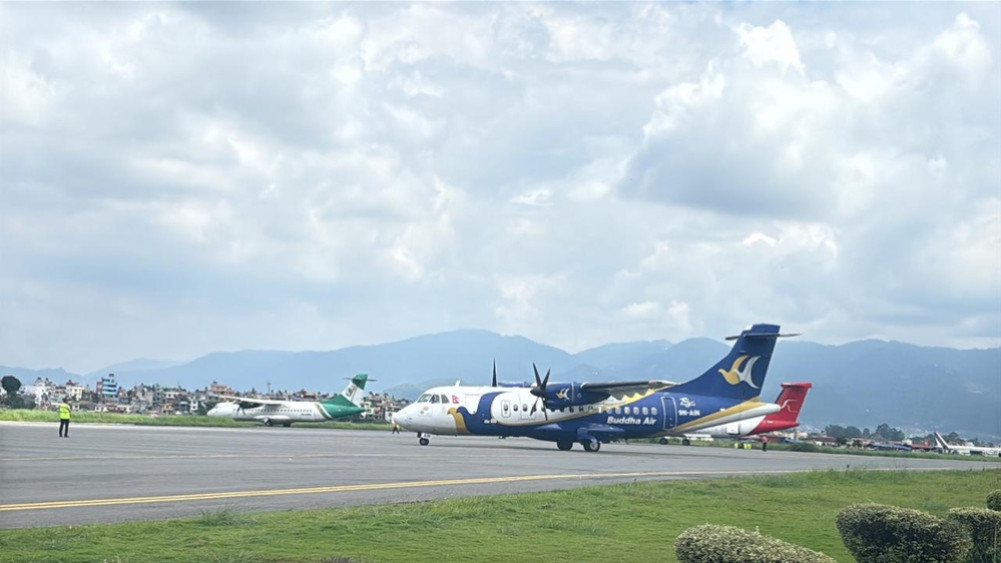
Domestic passenger traffic in Nepal has seen a significant decline of 12 percent, placing considerable financial pressure on airlines. This downturn follows an industry-wide increase in airfares, which is directly linked to the escalating costs of fuel. The higher ticket prices have evidently deterred travelers, leading to fewer passengers boarding flights within the country. Airlines are now grappling with reduced revenue streams, exacerbating their financial challenges. The situation highlights the sensitivity of the aviation sector to global commodity prices and its impact on domestic connectivity. This trend could have broader implications for tourism and business travel within Nepal if not addressed.
The sharp decrease in Nepali air travel, attributed to a 12 percent drop in passenger traffic following fare hikes driven by soaring fuel costs, underscores the vulnerability of the aviation sector to external economic shocks. This situation reflects a classic economic trade-off: increased operational costs necessitate price increases, which in turn dampen consumer demand. The challenge for Nepali airlines lies in balancing the need to cover rising fuel expenses with maintaining passenger volumes essential for profitability. Future strategies may involve exploring fuel hedging, operational efficiencies, or government support to mitigate the impact of volatile global energy markets on domestic air connectivity. The long-term sustainability of the sector will depend on its ability to adapt to these persistent cost pressures while remaining accessible to a broad base of travelers.
AI-generated to prompt reflection — not editorial opinion, not advice, not a statement of fact. How this works.