Nepal's Balance of Payments Surplus Doubles to NPR 926 Billion
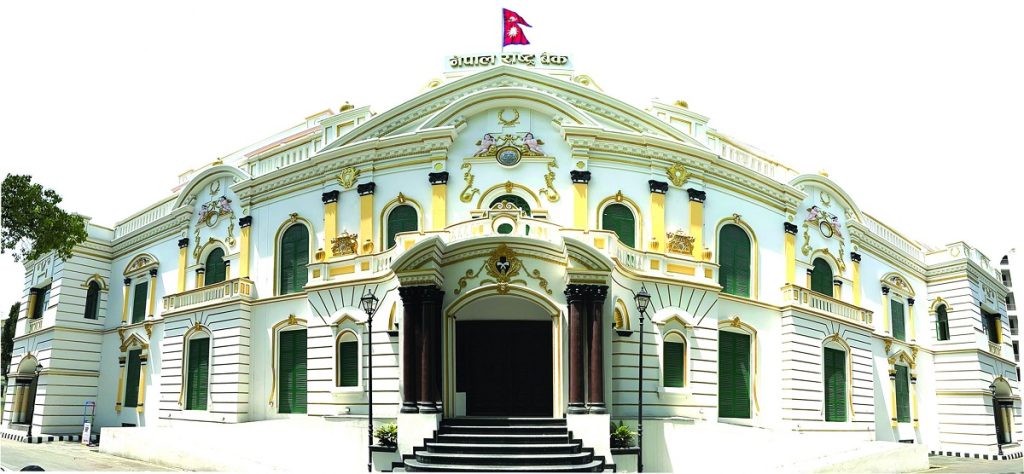
Nepal's balance of payments recorded a surplus of NPR 926 billion in the current fiscal year, a significant increase compared to the same period last year. In the previous fiscal year, the balance of payments surplus stood at NPR 491.44 billion. This doubling of the surplus indicates a stronger economic position for Nepal in terms of its international transactions. The current surplus suggests that the country has earned more foreign currency than it has spent on imports and other external obligations. This improved situation could positively impact Nepal's foreign exchange reserves and overall economic stability. The figures were released by the central bank, highlighting a robust performance in the country's external sector.
The substantial increase in Nepal's balance of payments surplus, doubling from NPR 491.44 billion to NPR 926 billion, suggests a favorable shift in the country's international trade and financial flows. This surplus likely stems from a combination of increased foreign currency inflows, potentially through remittances, tourism, or foreign investment, and a more controlled outflow, possibly due to import management or reduced external debt servicing. From a forward-looking perspective, sustained surpluses can bolster foreign exchange reserves, providing a buffer against external shocks and supporting economic development initiatives. However, it is crucial to analyze the underlying drivers to ensure this growth is broad-based and sustainable, rather than solely dependent on temporary factors. Understanding the composition of inflows and outflows will be key to formulating long-term economic strategies in the coming decade.
AI-generated to prompt reflection — not editorial opinion, not advice, not a statement of fact. How this works.