Nepal's Cannabis Gene Pool at Risk Amidst Legalization Debate
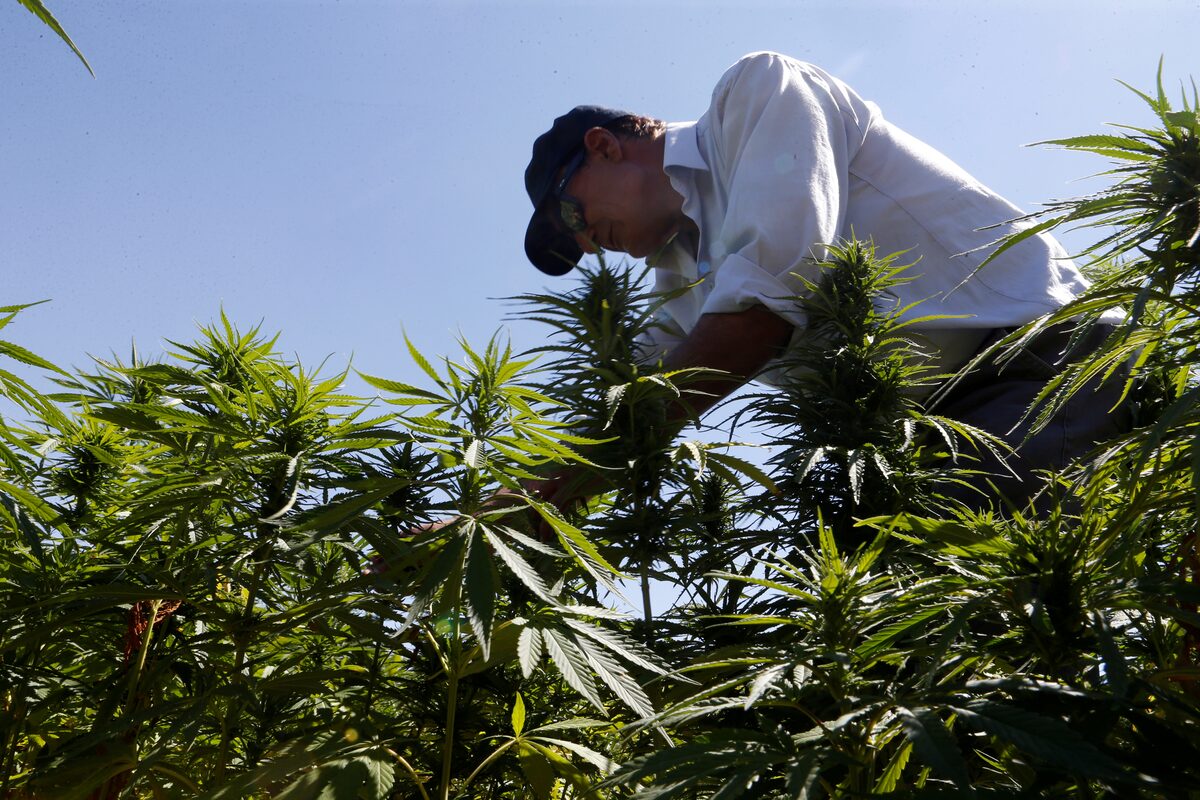
Nepal possesses a unique and under-researched cannabis gene pool, which could be lost if the country proceeds with legalization. The primary concern is that the introduction of new, hybridized strains could lead to the irreversible dilution or extinction of Nepal's native landraces. These indigenous varieties are of significant genetic value and have not been adequately documented or studied. The potential legalization of cannabis presents a critical juncture where the country must decide whether to prioritize the preservation of its genetic heritage. Without proper documentation and conservation efforts, any future cultivation or commercialization risks irrevocably altering or eliminating this valuable biological resource. Therefore, any decision regarding cannabis legalization should be preceded by a comprehensive effort to document and safeguard Nepal's distinct cannabis landraces.
The debate surrounding cannabis legalization in Nepal highlights a common tension between economic opportunity and the preservation of unique biodiversity. As nations consider regulating cannabis, there's a growing imperative to balance potential revenue streams with the protection of indigenous genetic resources. The risk of hybridization and genetic erosion is a significant concern for any region with distinct landraces, not just for cannabis. Future policy decisions should incorporate robust scientific assessment and conservation strategies to ensure that economic development does not come at the cost of irreplaceable genetic heritage. This situation underscores the need for proactive landrace documentation and protection frameworks globally, especially as agricultural and botanical landscapes face increasing pressures from globalization and technological advancements.
AI-generated to prompt reflection — not editorial opinion, not advice, not a statement of fact. How this works.