Nepal's Claim for International Disaster Funds Weakened by Lack of Non-Economic Loss Data
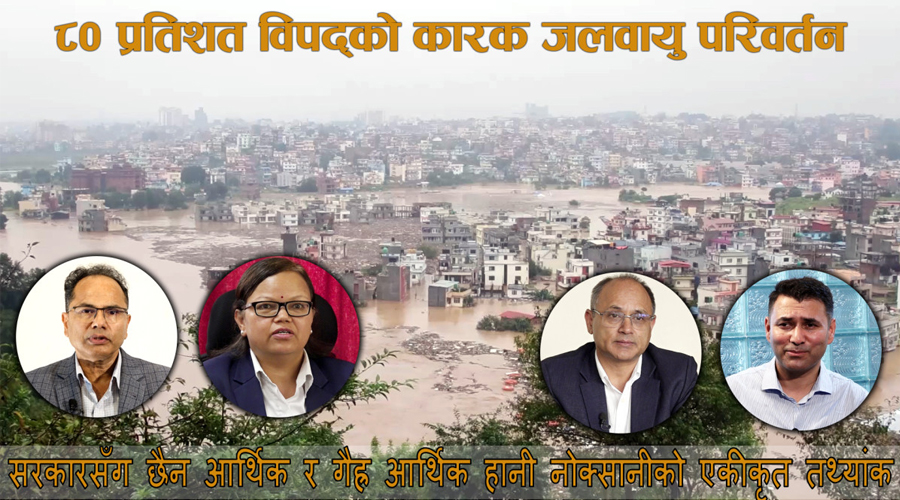
Nepal faces challenges in securing international disaster relief funds due to insufficient data on non-economic losses. While direct economic losses from natural disasters are estimated to exceed approximately four billion Nepalese Rupees annually over the past thirteen years, the absence of comprehensive records for indirect and non-economic damages significantly weakens the country's position when seeking aid from international financial institutions. This lack of data makes it difficult to fully articulate the total impact of disasters, beyond immediate financial costs. The government's ability to present a complete picture of devastation, encompassing social, environmental, and cultural impacts, is hindered. Consequently, Nepal's requests for financial assistance may not fully reflect the true extent of the damage, potentially leading to inadequate support. Addressing this data gap is crucial for enhancing future disaster response and recovery efforts.
The disparity between recorded economic losses and the actual, broader impact of natural disasters highlights a systemic challenge in disaster management and international aid. While direct financial figures are often readily available, quantifying non-economic losses such as loss of life, cultural heritage, environmental degradation, and psychological trauma is complex and resource-intensive. This data deficit not only impacts Nepal's ability to secure adequate international funding but also suggests a potential undervaluation of disaster resilience strategies that prioritize these less tangible, yet profoundly significant, aspects of recovery. Moving forward, investing in robust methodologies for assessing non-economic damages could strengthen aid claims and foster more holistic, community-centered disaster preparedness and response frameworks, aligning with long-term societal well-being in an era of increasing climate volatility.
AI-generated to prompt reflection — not editorial opinion, not advice, not a statement of fact. How this works.