Nepal's CPN-UML Warns Government on Squatter Management Issues
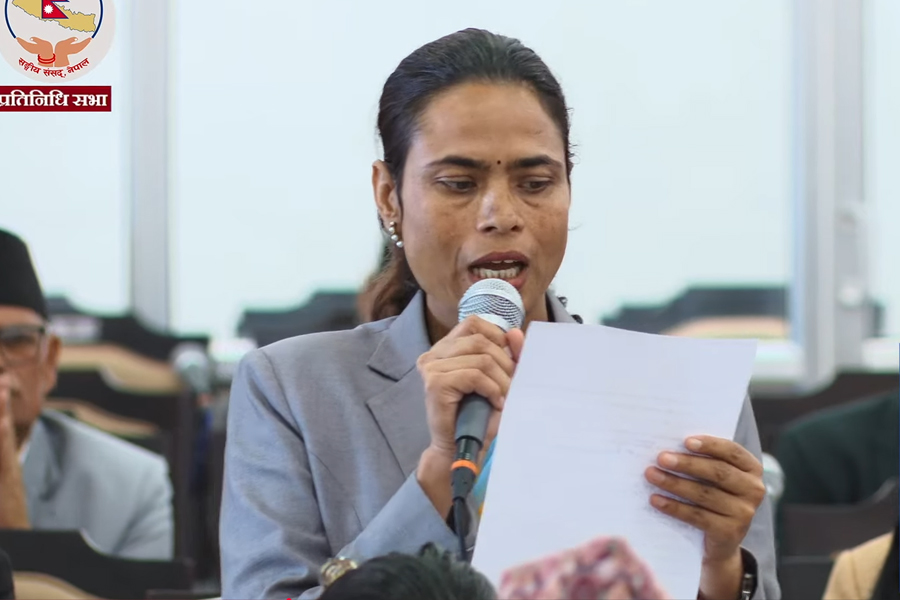
The Communist Party of Nepal (Unified Marxist-Leninist) (CPN-UML) has drawn the government's attention to the inadequate management of squatters. Speaking in the House of Representatives on Thursday, CPN-UML Member of Parliament Ashuda Kumari Baral questioned the government's approach, asking if squatters are considered citizens and if they have a right to live. She stated that the government's proposal for squatters to manage their own affairs after receiving 25,000 Nepalese Rupees is impractical. The party believes that if the issue of squatter management is not handled correctly, the tears of the poor will prove very costly. This highlights a significant concern within the CPN-UML regarding the government's policies and their impact on marginalized populations. The party's stance suggests a demand for more humane and sustainable solutions to the complex issue of landlessness and informal settlements in Nepal.
The CPN-UML's critique of the government's squatter management policy, particularly the offer of 25,000 NPR for self-management, points to a potential disconnect between policy design and lived realities. From a governance perspective, such policies may inadvertently create new vulnerabilities if they do not adequately address the complex socio-economic factors driving landlessness. The party's warning about the "costly tears of the poor" suggests an incentive structure where immediate, potentially insufficient, financial settlements could lead to long-term social instability and increased public expenditure on crisis management. Looking ahead, effective solutions will likely require integrated approaches that combine secure land tenure, access to affordable housing, and sustainable livelihood programs, rather than purely transactional measures. The challenge for Nepal's policymakers is to balance fiscal constraints with the fundamental rights and dignity of its citizens, ensuring that development initiatives do not exacerbate existing inequalities.
AI-generated to prompt reflection — not editorial opinion, not advice, not a statement of fact. How this works.