Nepal's Department of Passports Migrates 10 Million Records to New System
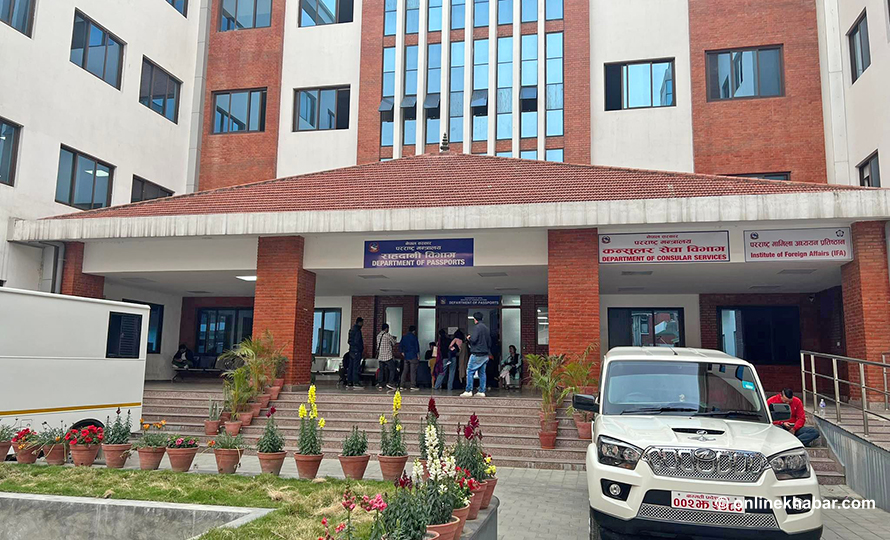
The Department of Passports in Nepal has successfully completed a large-scale data migration, transferring approximately 10 million Nepali citizens' passport details to a new production and management system. This marks a significant technological advancement for the department, which began operating under the new system on Monday, June 15th. Previously, passports were printed by the French company Idemia, but a German company will now undertake this task. The department acknowledges that initial technical challenges, system slowness, and minor delays in passport distribution are expected during this transition phase. To address these issues, a dedicated technical team, departmental staff, and specialists from the system development company are working around the clock to monitor, test, and improve the system. The department has requested that only individuals with urgent needs apply for passports during this initial period to help stabilize and enhance the new system's performance. They have reaffirmed their commitment to providing efficient, swift, and reliable services to Nepali citizens and expressed gratitude for the public's trust, patience, and cooperation.
The successful migration of 10 million passport records represents a substantial upgrade to Nepal's national identity infrastructure. This transition, involving a change in printing vendors from a French to a German company, highlights the evolving landscape of global technology partnerships. While initial disruptions are natural for such large-scale IT projects, the department's proactive communication and dedicated technical response aim to mitigate user impact. Looking ahead, the robustness and security of this new system will be crucial for national data integrity and citizen services. The long-term success will depend on continuous system optimization, cybersecurity vigilance, and the ability to scale efficiently to meet future demand, ensuring that technological advancements translate into tangible improvements for all Nepali citizens.
AI-generated to prompt reflection — not editorial opinion, not advice, not a statement of fact. How this works.