Nepal's East-West Highway Faces Delays as Sections Remain on Private Land
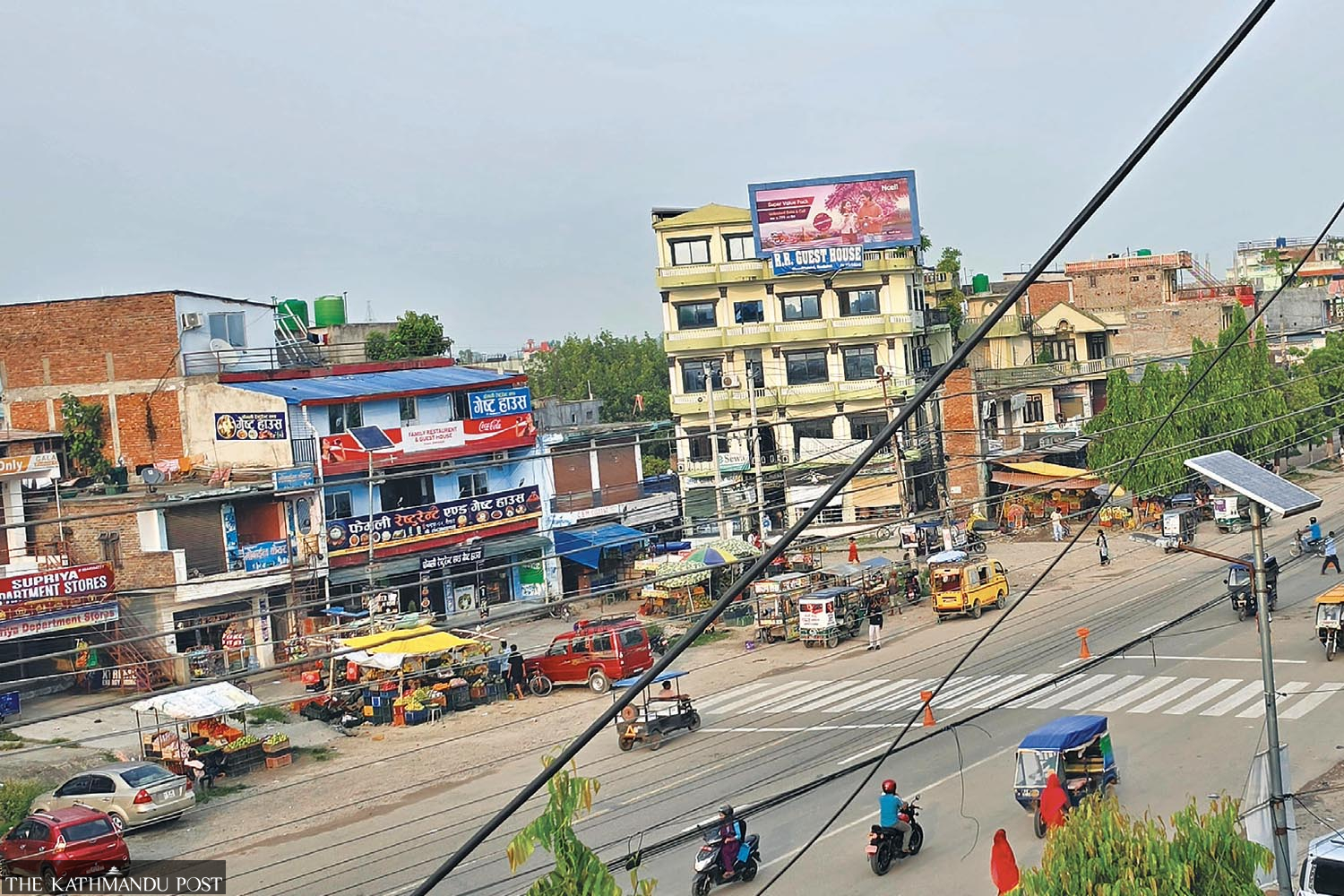
Significant portions of Nepal's vital East-West Highway continue to be registered under private ownership, hindering crucial infrastructure development plans. Bureaucratic inefficiencies are cited as the primary reason for these ongoing ownership issues. This situation is particularly problematic as the government aims to upgrade these sections to a four-lane standard. The registration of highway land in private names creates complex legal and administrative hurdles for land acquisition and subsequent construction. Consequently, the ambitious expansion project faces considerable delays. The East-West Highway is a critical artery for transportation and trade across Nepal, connecting various regions and facilitating economic activity. The inability to resolve these land ownership disputes impedes the highway's modernization, which is essential for improving connectivity and supporting national development. Further progress on the four-lane upgrade is contingent upon the resolution of these long-standing ownership complexities.
The persistent registration of public infrastructure like the East-West Highway under private ownership highlights systemic challenges in Nepal's land administration and bureaucratic processes. This situation likely stems from historical land titling issues, inadequate record-keeping, and potentially slow legal mechanisms for land expropriation or transfer. The resulting delays in upgrading this critical national asset underscore the tension between development goals and the need for robust governance frameworks. Addressing this requires not only administrative reform but also a review of land laws and the capacity of relevant agencies to manage public land effectively. Over the next decade, as Nepal seeks to modernize its infrastructure and boost economic growth, resolving such foundational issues will be paramount to ensuring efficient project execution and preventing future bottlenecks.
AI-generated to prompt reflection — not editorial opinion, not advice, not a statement of fact. How this works.