Nepal's Education Minister's First 100 Days: Mixed Results and Lingering Questions
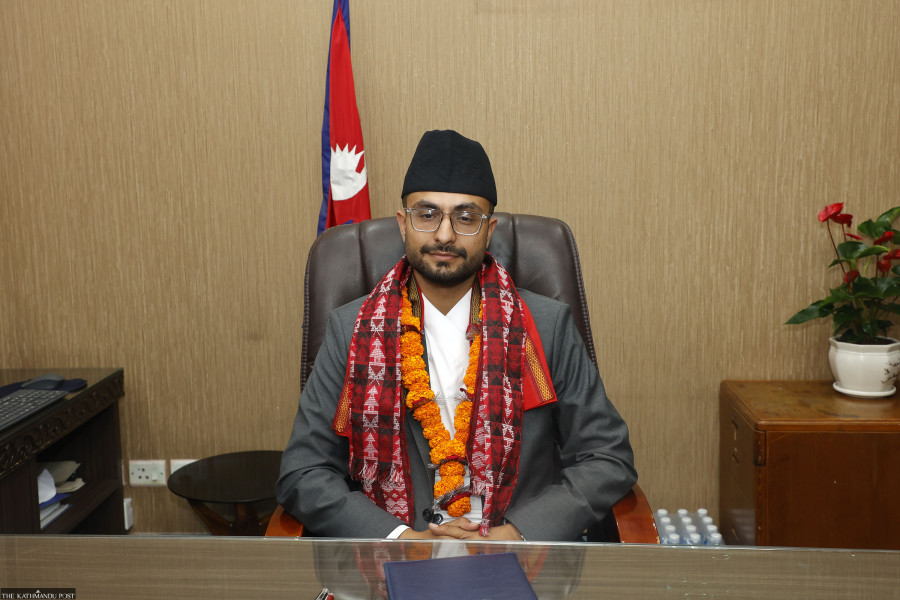
Sasmit Pokharel's initial 100 days as Nepal's Education Minister have been characterized by a series of policy initiatives and administrative changes within the education sector. During his tenure, there has been an observable acceleration in the processing of exam results, alongside the introduction of new policy measures and reforms to the national curriculum. These developments suggest a proactive approach to modernizing educational processes and content. However, Pokharel's leadership has also faced significant criticism. Concerns have been raised regarding the coordination between various departments and stakeholders, leading to a fragmented implementation of policies. Several decisions made during this period have been met with contention from different groups within the education community. Furthermore, critics point to limited tangible progress on addressing the deep-seated structural issues that continue to affect the education system. The overall impact and effectiveness of his reforms remain a subject of debate, with a clear picture of the long-term outcomes yet to fully emerge.
The initial 100-day period for Minister Pokharel highlights a common tension in public administration between the desire for rapid policy change and the inherent complexities of systemic reform. While accelerated exam results and curriculum updates signal responsiveness to immediate needs, the criticisms regarding weak coordination and contested decisions suggest potential challenges in stakeholder buy-in and institutional capacity. Moving forward, the minister's success will likely hinge on his ability to foster stronger inter-agency collaboration and build broader consensus around structural changes. The long-term sustainability of any educational reform in Nepal will depend on addressing foundational governance and resource allocation issues, rather than solely focusing on procedural or content adjustments. The next decade will demand adaptive educational systems capable of integrating technological advancements and preparing students for a rapidly evolving global landscape.
AI-generated to prompt reflection — not editorial opinion, not advice, not a statement of fact. How this works.