Nepal's Electricity Authority Inefficiency Wastes Over 1000 MW of Power
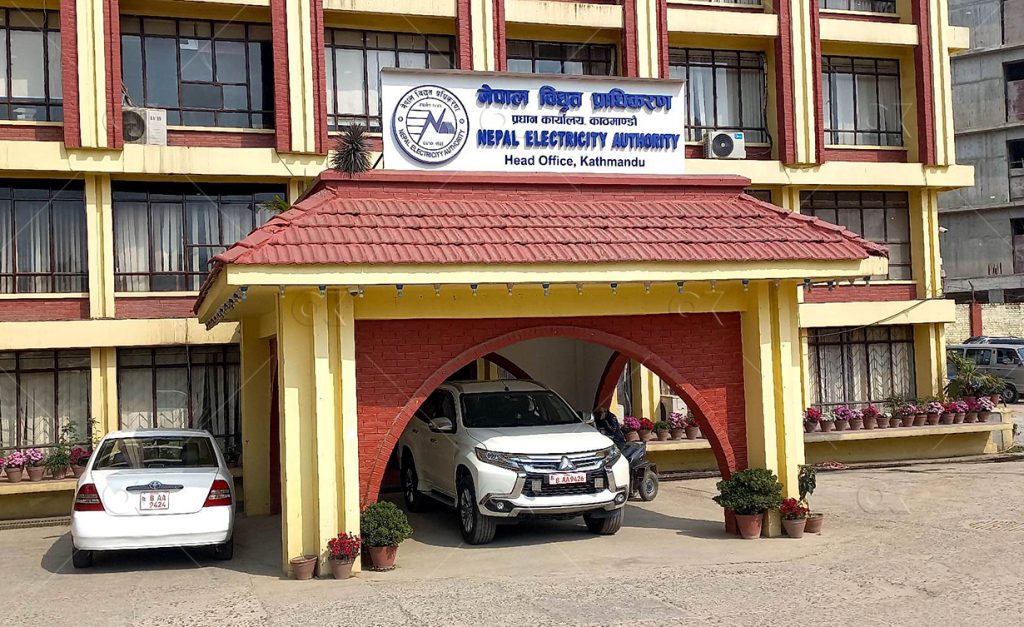
Private energy producers in Nepal argue that the electricity generated by the private sector will not be guaranteed as long as the management of trade and transmission lines is not handled by an independent body. This situation has led to over 1,000 megawatts (MW) of electricity being wasted due to the inefficiency of the Nepal Electricity Authority (NEA). The producers emphasize that without neutral management of crucial infrastructure, their investments face significant risks. The NEA's current operational framework is perceived as a bottleneck, preventing the effective utilization of available power resources. This inefficiency not only impacts the profitability of private energy companies but also hinders the overall energy security and development of Nepal. The core issue lies in the centralized control and perceived lack of impartiality in managing the nation's power grid and energy trade agreements. Private sector stakeholders are calling for a structural reform to ensure fair access and management of transmission capacity, which they believe is essential for attracting further investment and ensuring reliable power supply.
The situation highlights a systemic challenge in Nepal's energy sector, where the centralized management of transmission and trade by the Nepal Electricity Authority appears to be creating a bottleneck for private sector participation. This suggests a potential conflict between the state-owned utility's role and the need for an open, competitive market to ensure efficient resource allocation. The private sector's demand for neutral management points to concerns about governance and fair access to infrastructure, which are critical for attracting investment and fostering growth. Looking ahead, Nepal's energy landscape will likely benefit from reforms that promote transparency and independent oversight in transmission and trade, aligning with global trends towards market liberalization and decentralized energy systems. Addressing these structural issues is key to unlocking the country's full energy potential and ensuring reliable power for its citizens.
AI-generated to prompt reflection — not editorial opinion, not advice, not a statement of fact. How this works.