Nepal's Energy Ministry Claims 73% Performance in Government's First 100 Days
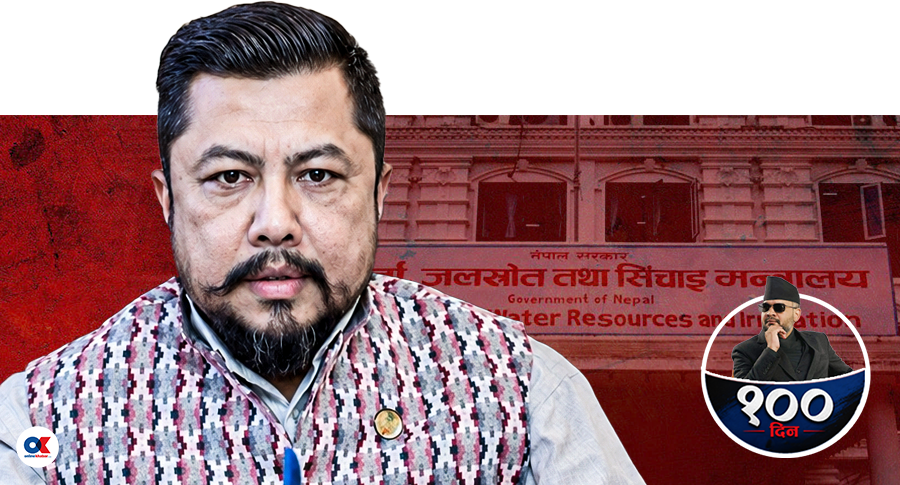
The Ministry of Energy, Water Resources, and Irrigation in Nepal has asserted that it has achieved 73% of its planned tasks within the first 100 days of the current government's tenure. This claim highlights the ministry's reported progress in implementing its agenda. While the government states its intentions are sound, there is a noted lack of consultation with key stakeholders. This oversight could potentially impact the successful implementation and long-term effectiveness of energy sector policies and projects. The ministry's self-reported performance indicates a focus on execution, but the absence of broader engagement raises questions about the inclusiveness of the development process. Moving forward, ensuring that all relevant parties are involved will be crucial for sustainable growth and public acceptance of energy initiatives.
The Nepalese government's energy ministry reports a high completion rate for its first 100 days, suggesting a proactive approach to governance. However, the stated lack of stakeholder consultation points to a potential disconnect between policy execution and broader societal needs or expert input. This governance dynamic, where administrative targets are met without commensurate engagement, could lead to suboptimal outcomes or resistance to implemented policies. Future success in the energy sector will likely depend on balancing administrative efficiency with robust, inclusive dialogue to ensure projects align with diverse interests and long-term national development goals, particularly as Nepal navigates energy security and climate change challenges.
AI-generated to prompt reflection — not editorial opinion, not advice, not a statement of fact. How this works.