Nepal's Federal Parliament to Review Nine Proposed Bills
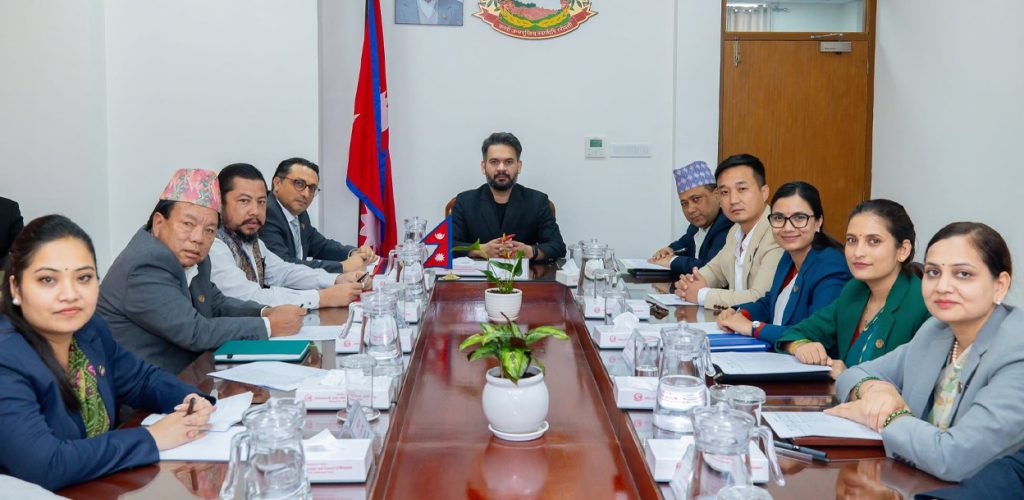
The Council of Ministers in Nepal has approved the presentation of nine bills to the Federal Parliament. The decision was made during a cabinet meeting held on Wednesday, as announced by government spokesperson Sasmit Pokharel. The approved bills aim to amend existing legislation, including the "Act Relating to Remuneration, Service Conditions, and Facilities of Office Bearers of Constitutional Bodies Act-2053." The government's decision signifies a step towards legislative reform and the updating of various legal frameworks within the country. Further details on the specific content of each of the nine bills are expected to be released as they are formally introduced in parliament. This move indicates the government's focus on addressing legislative gaps and modernizing the country's legal structure. The approval process involved a thorough review by the cabinet before being sent to the Federal Parliament for deliberation and potential enactment. The specific nature of the amendments proposed in these bills will be crucial in understanding their potential impact on constitutional bodies and public service.
The Nepali government's approval to present nine bills to the Federal Parliament reflects a procedural step in the legislative process. The focus on amending existing acts, such as the one concerning constitutional bodies' remuneration, suggests an effort to align current regulations with evolving governance standards or address identified inefficiencies. This legislative push, while procedural, can be analyzed through the lens of institutional strengthening and the government's capacity to adapt its legal framework. The effectiveness of these amendments will ultimately depend on the parliamentary deliberation process and their alignment with broader national development goals and principles of good governance. Future legislative actions will reveal the government's long-term strategy for modernizing its legal architecture and ensuring its institutions operate optimally in the coming decade.
AI-generated to prompt reflection — not editorial opinion, not advice, not a statement of fact. How this works.