Nepal's Federalism Questioned at 100 Days of Shah Government
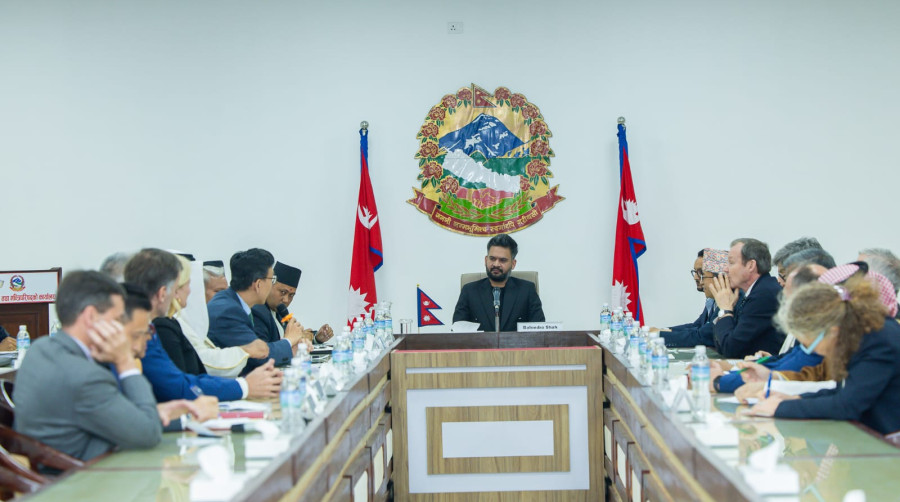
Nepal's constitutional aspirations hinge on the genuine empowerment of its provincial and local governance structures. The current government, led by Prime Minister Pushpa Kamal Dahal 'Prachanda' and Deputy Prime Minister and Home Minister Rabi Lamichhane, has completed its first 100 days. A key question remains whether these sub-national levels will be recognized and function as true equal partners in the country's governance framework. The constitution envisions a federal system where power is shared, but the practical implementation of this vision is under scrutiny. The effectiveness of Nepal's federal model depends on devolving substantial authority and resources to the provinces and local bodies. Without this, the constitutional promise of equitable power distribution and participatory governance risks remaining unfulfilled. The ongoing debate centers on the extent to which the central government is willing to cede control and foster a truly collaborative federal system. This period marks a critical juncture for assessing the commitment to strengthening democratic institutions at all levels of government.
The first 100 days of the Shah government present a critical juncture for Nepal's federal experiment. The constitutional framework aims for a balanced distribution of power, yet the practical implementation of provincial and local empowerment remains a significant challenge. The efficacy of Nepal's governance structure in the coming decade will depend on the central government's commitment to genuine devolution of authority and resources, rather than merely symbolic gestures. Failure to foster robust sub-national governance could lead to systemic inefficiencies and undermine public trust in democratic institutions. Moving forward, a focus on intergovernmental fiscal transfers and clear lines of responsibility will be crucial for realizing the envisioned equitable power-sharing.
AI-generated to prompt reflection — not editorial opinion, not advice, not a statement of fact. How this works.