Nepal's Foreign Minister Clarifies Passport Issuance Process
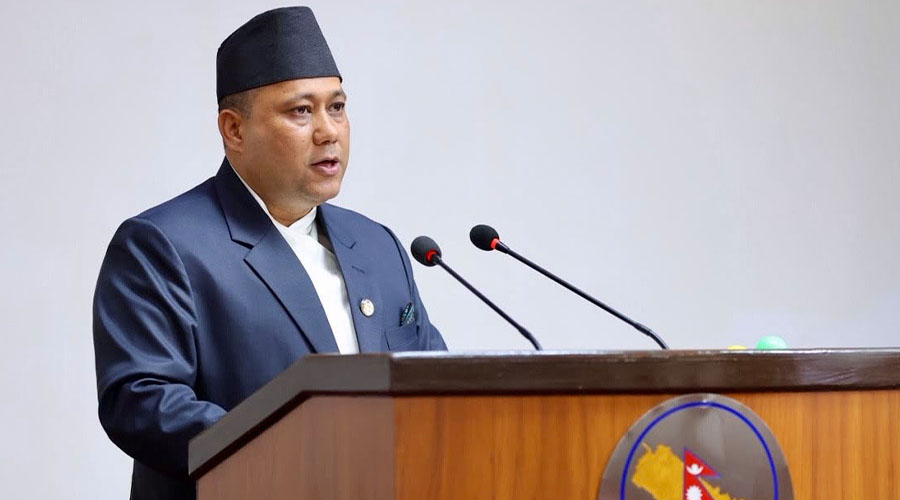
Foreign Minister Shishir Khanal has clarified that a new passport issuance process will only commence once the existing stock of passports is depleted. This decision aims to prevent financial losses to the state, as starting a new system while ample passports remain would be inefficient. Khanal explained this during a session of the National Assembly on Tuesday, while responding to questions raised by members of parliament regarding the budget.
He noted that when the current government assumed office, there were approximately 250,000 passports remaining. The minister emphasized that the delay in implementing the new system is a strategic measure to ensure optimal utilization of resources and avoid unnecessary expenditure. The government is committed to a prudent approach in managing public services and resources.
The Ministry of Foreign Affairs' decision to defer the implementation of a new passport system until existing stock is exhausted highlights a focus on fiscal prudence and resource management. This approach prioritizes avoiding potential state losses by maximizing the utility of current assets before investing in new infrastructure or processes. From a systems perspective, this aligns with principles of lean operations, aiming to reduce waste and optimize expenditure. However, it also raises questions about the potential trade-offs between immediate cost savings and the long-term benefits of modernization, such as improved efficiency, enhanced security features, or a better user experience that a new system might offer. The government's strategy implicitly weighs the immediate financial implications against the potential future advantages of technological advancement in public service delivery.
AI-generated to prompt reflection — not editorial opinion, not advice, not a statement of fact. How this works.