Nepal's Government Favors Ordinances Over Parliamentary Debate
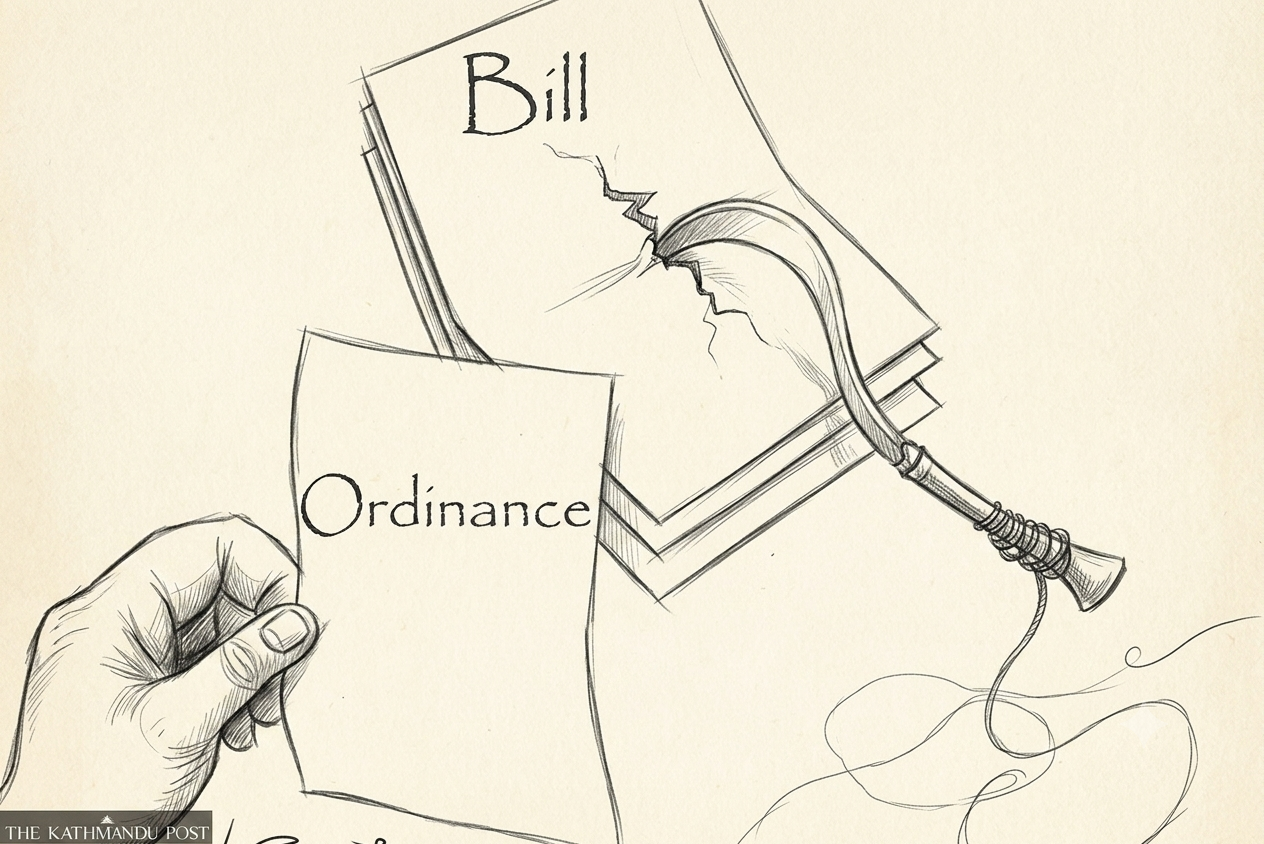
Nepal's political landscape shows a consistent preference for using ordinances as a governing tool, regardless of which party is in power. This practice has become a common method for enacting legislation. However, a significant gap exists in Nepal's political culture: there is a lack of public discourse and explanation regarding the constitutional justifications for bypassing the regular parliamentary process. Before resorting to ordinances, it is crucial for the government to establish a practice of clearly articulating the constitutional basis for such actions. This would foster greater transparency and accountability in the legislative process. The reliance on ordinances suggests a potential tendency to circumvent parliamentary deliberation, which is a cornerstone of democratic governance. Developing a culture of explaining these decisions publicly would strengthen democratic norms and public trust in government institutions.
The reliance on ordinances in Nepal, irrespective of the ruling party, suggests a systemic preference for executive action over legislative consensus. This approach may streamline policy implementation but risks undermining parliamentary oversight and public deliberation. The absence of clear public justifications for bypassing Parliament indicates a potential governance deficit, where the constitutional rationale for such measures is not adequately communicated to the citizenry. This dynamic warrants examination through the lens of institutional incentives and the balance of power between the executive and legislative branches. Future governance models in Nepal might benefit from strengthening parliamentary procedures and ensuring transparent communication regarding the use of extraordinary legislative instruments, thereby fostering greater accountability and democratic legitimacy.
AI-generated to prompt reflection — not editorial opinion, not advice, not a statement of fact. How this works.