Nepal's Government Stability Questioned by Kulman Ghising
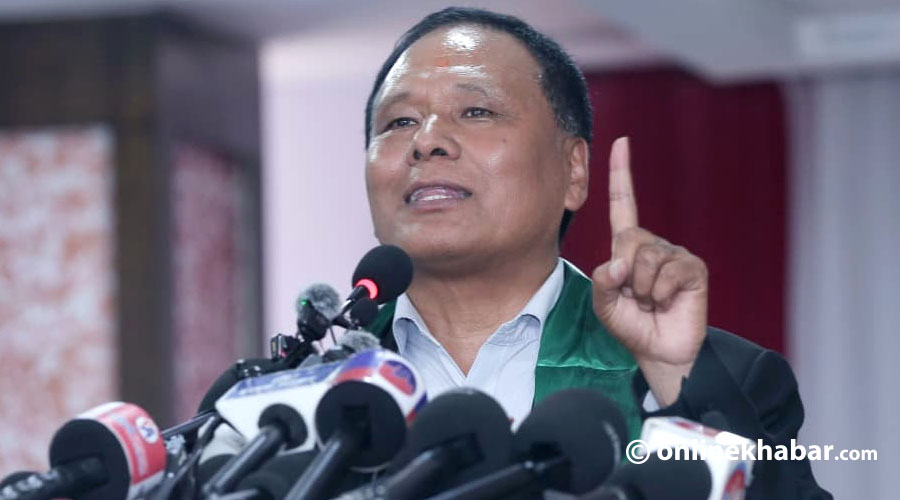
Kulman Ghising, Managing Director of Nepal Electricity Authority (NEA), has expressed doubts about the longevity of the current government. He stated that while the government has been projected to last for five years, its instability is already apparent within the first five months. Ghising suggested that the public might not have to wait the full five years to see a change in government. His remarks imply a lack of confidence in the current political administration's ability to maintain stability and fulfill its term. The statement was made in a context where political shifts and alliances are common in Nepal. Ghising's position as head of a crucial state-owned enterprise means his public statements can carry significant weight and influence public perception of governance. The underlying sentiment is that the current political landscape is volatile and unlikely to endure.
Kulman Ghising's assessment of the current government's stability, based on observations within its initial five months, highlights a recurring theme in Nepalese politics: the potential for premature dissolution of elected mandates. This perception of instability, if widespread, can impact investor confidence and the execution of long-term development projects, such as those managed by the Nepal Electricity Authority. The statement implicitly questions the efficacy of current political coalition-building and governance structures in delivering sustained stability. Looking ahead, such political volatility could impede Nepal's progress in critical sectors and its integration into regional economic frameworks, prompting a need for more robust governance mechanisms that prioritize long-term national interests over short-term political maneuvering.
AI-generated to prompt reflection — not editorial opinion, not advice, not a statement of fact. How this works.