Nepal's Intelligence Agency Criticized for Failing to Prevent Communal Unrest
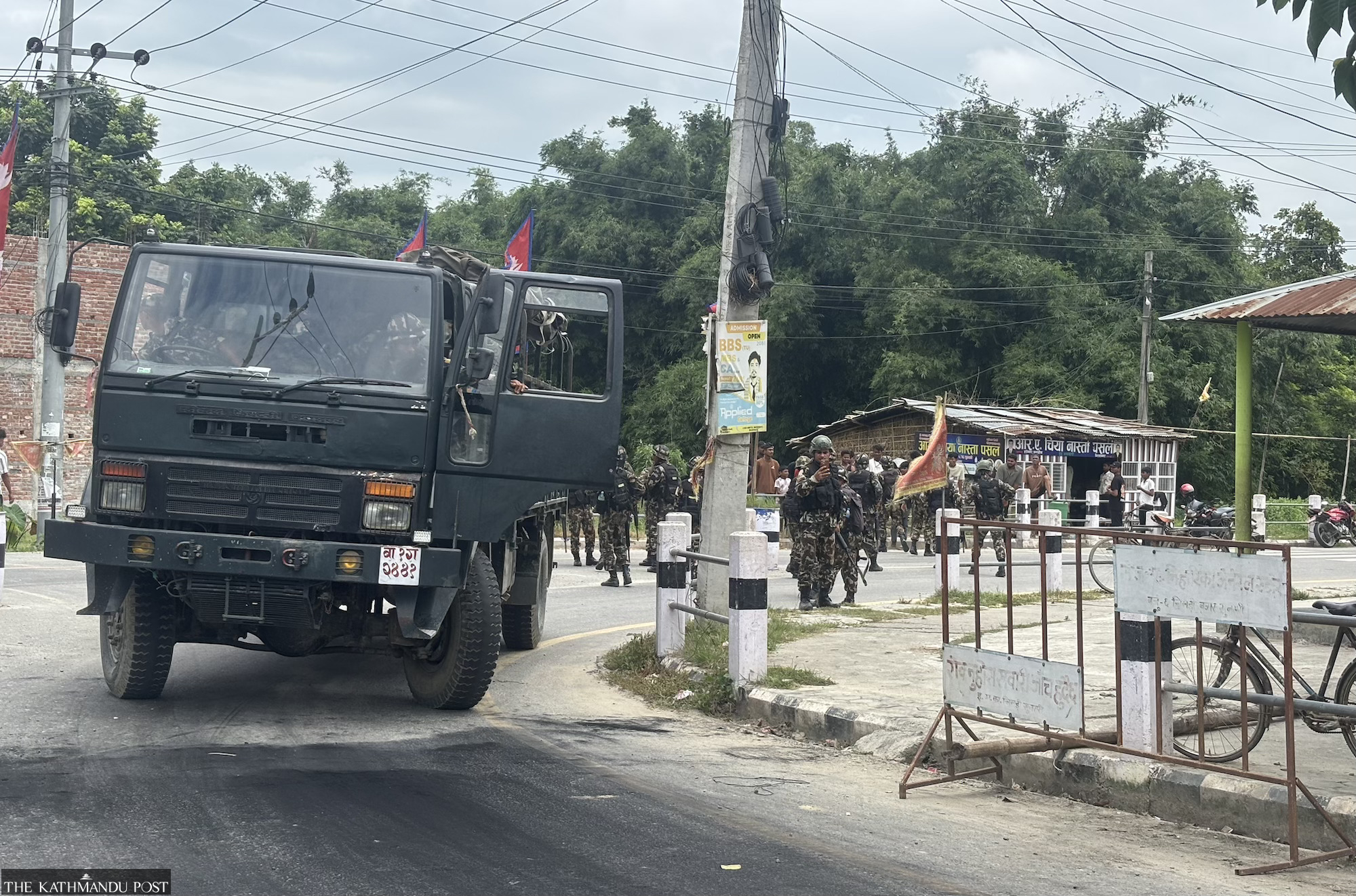
Nepal's National Investigation Department (NID) has been criticized for its inability to provide timely intelligence regarding significant security threats. This failure is attributed to years of neglect by successive governments, which have hampered the agency's effectiveness. The recent communal unrest has highlighted these systemic weaknesses within the country's intelligence apparatus. The NID's capacity to anticipate and respond to major security challenges appears to have been significantly eroded over time. This situation raises concerns about the government's commitment to maintaining national security and public order. The ongoing neglect suggests a lack of prioritization for intelligence gathering and analysis within the political establishment. Consequently, the nation is left vulnerable to disruptions that could have been mitigated with proactive intelligence. The effectiveness of the NID is crucial for Nepal's stability and requires urgent attention and reform.
The prolonged neglect of Nepal's National Investigation Department by successive administrations points to a potential systemic underinvestment in crucial national security infrastructure. This underfunding may stem from competing political priorities or a lack of strategic foresight regarding the evolving threat landscape. The agency's diminished capacity to provide timely intelligence, as evidenced by the recent communal unrest, suggests a critical vulnerability. Addressing this requires not only increased resource allocation but also a re-evaluation of intelligence gathering and analysis methodologies to align with contemporary challenges. Future governments will need to prioritize strengthening such foundational security institutions to ensure national stability and mitigate the impact of unforeseen events.
AI-generated to prompt reflection — not editorial opinion, not advice, not a statement of fact. How this works.
