Nepal's Judiciary Adopts AI for Research, Not Decision-Making
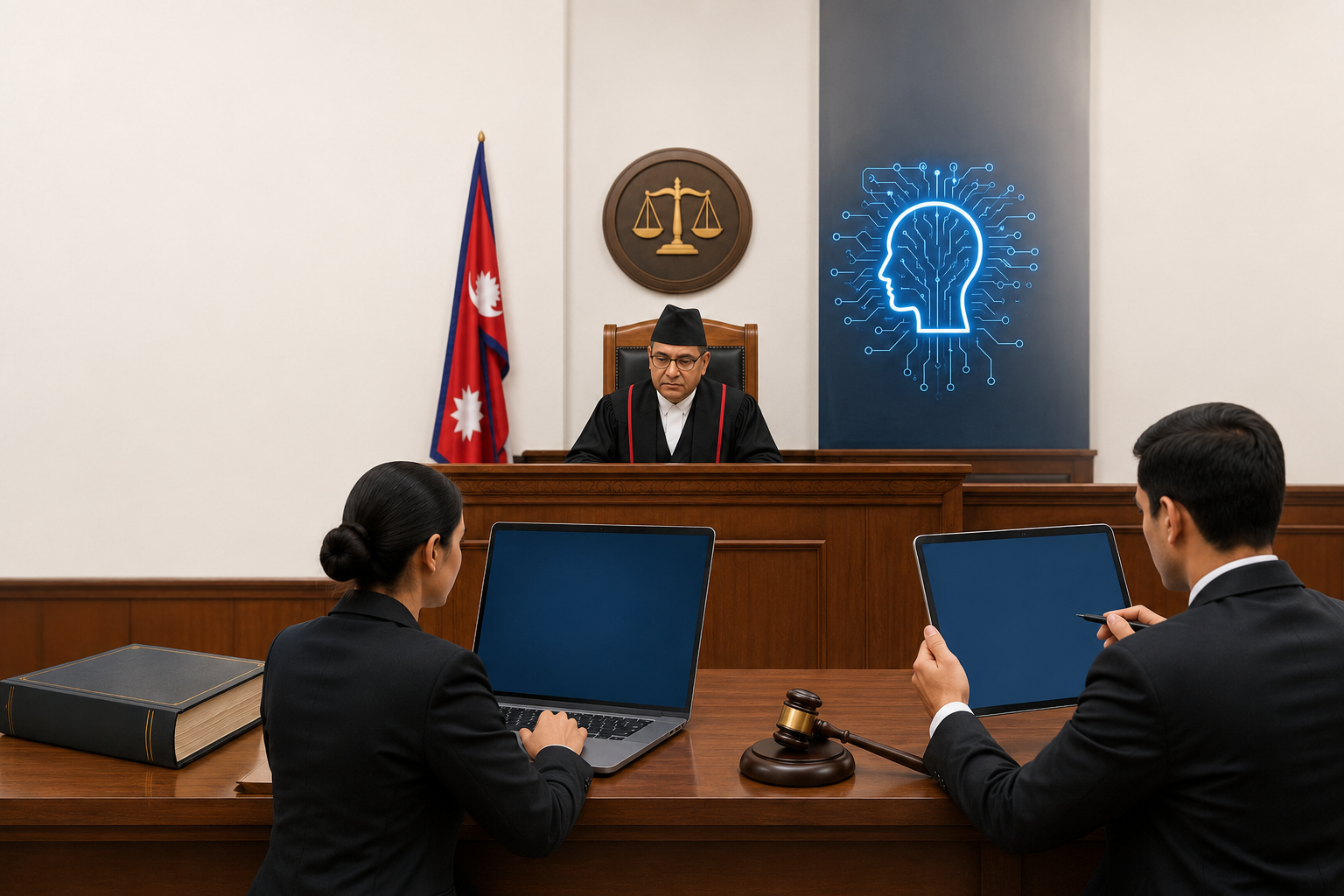
Nepal's Supreme Court has implemented a new policy allowing the use of artificial intelligence within its operations. The policy permits AI to be utilized for legal research, case management, and various administrative tasks. However, the court has explicitly prohibited the use of AI in writing judicial judgments, writ petitions, or any other decisions that necessitate human discretion. This approach aims to leverage AI for efficiency while preserving the core human element in judicial pronouncements. The decision reflects a global trend of exploring AI in the legal sector, balancing technological advancement with the need for human oversight in critical legal processes. The focus remains on augmenting judicial capabilities rather than replacing them in areas requiring nuanced judgment.
Nepal's judicial system is strategically integrating artificial intelligence to enhance efficiency in research, case management, and administrative functions. This measured approach prioritizes AI as a supportive tool, reserving critical decision-making processes, such as judgment writing, for human judges. This policy acknowledges AI's potential to streamline legal workflows while safeguarding the indispensable role of judicial discretion and human oversight. By delineating clear boundaries for AI application, the judiciary aims to harness technological benefits without compromising the integrity and fairness of legal outcomes. This framework could serve as a model for other jurisdictions seeking to balance innovation with the fundamental principles of justice, particularly as AI capabilities continue to evolve.
AI-generated to prompt reflection — not editorial opinion, not advice, not a statement of fact. How this works.