Nepal's Judiciary Needs Structural Reform, Not Just Reconstruction
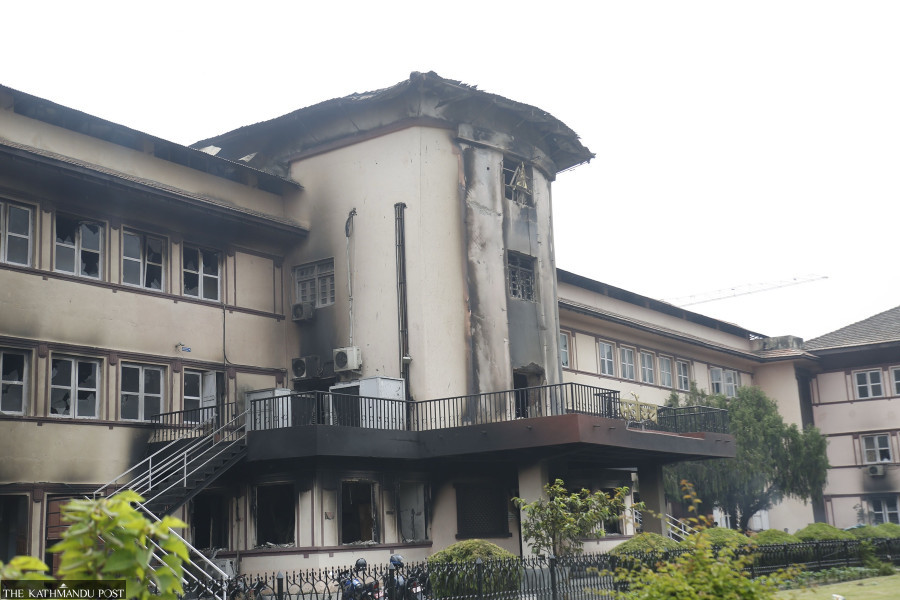
Rebuilding Nepal's judiciary requires more than just replacing lost files and repairing damaged buildings; it necessitates fundamental structural reform. The current system is inadequate, and simply restoring physical infrastructure will not address the underlying issues. The article emphasizes that only a comprehensive overhaul of the judicial system can truly fix the problems Nepal faces.
This reform should focus on decentralizing power and distributing it more effectively to the provinces. Such a move aims to make the judiciary more accessible and responsive to local needs across the country. Without these structural changes, the judiciary will continue to struggle with its effectiveness and legitimacy.
The call for structural reform in Nepal's judiciary highlights a common challenge in post-conflict or developing nations where institutional capacity is tested. While physical reconstruction addresses immediate needs, the underlying governance and power distribution mechanisms are critical for long-term stability and public trust. Decentralizing judicial authority could enhance local accountability and reduce bottlenecks, but it also presents risks related to ensuring consistent legal standards and preventing regional disparities in justice. The effectiveness of such reforms will depend on robust legal frameworks, adequate resource allocation to provincial courts, and mechanisms for oversight to maintain judicial independence and integrity across the nation.
AI-generated to prompt reflection — not editorial opinion, not advice, not a statement of fact. How this works.