Nepal's Key China Trade Routes Hampered by Disasters, Limiting Imports
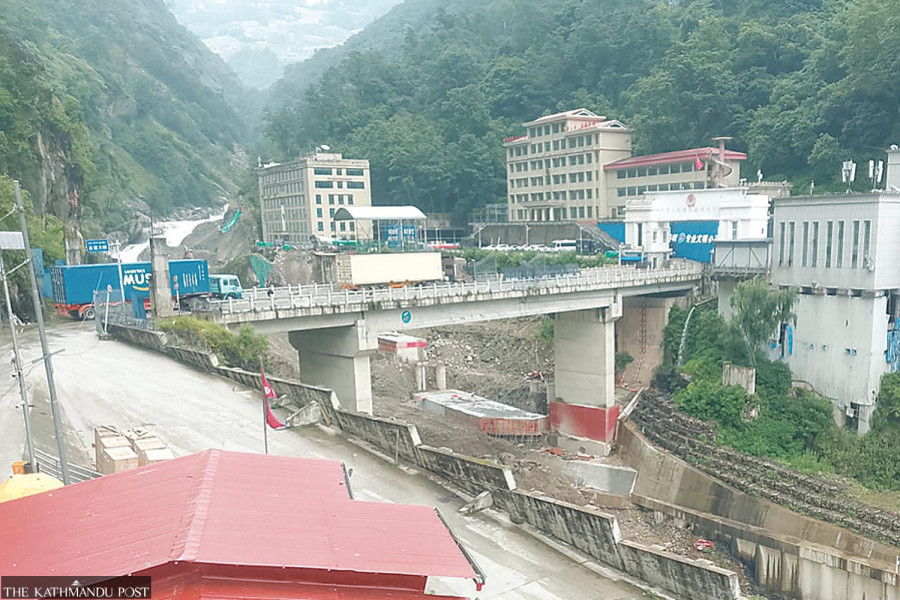
Nepal's primary trade routes with China are facing significant operational challenges, impacting imports ahead of the crucial festive season. The Tatopani border crossing has been completely shut down due to recurring landslides. Another major point, Rasuwagadhi, is still operating with limitations following damage sustained from a recent flood. The third significant trade point, Korala, is only capable of handling a limited volume of cargo. These disruptions collectively hinder the smooth flow of goods into Nepal from its northern neighbor. The inability to fully utilize these trade arteries poses a challenge for businesses and consumers alike. This situation is particularly concerning as it occurs during a period of heightened demand for goods. The effectiveness of these vital trade links is critical for Nepal's economy, especially for sourcing products from China.
The operational constraints at Nepal's primary trade crossings with China highlight vulnerabilities in critical infrastructure dependent on natural geography. Landslides and floods, exacerbated by climate change or seismic activity, can have disproportionate economic impacts when trade relies heavily on a few key chokepoints. This situation underscores the strategic imperative for Nepal to diversify its trade routes and invest in resilient infrastructure, potentially exploring alternative transportation methods or enhancing the capacity and reliability of existing ones. Over-reliance on specific border points, especially those susceptible to environmental hazards, creates systemic risk for supply chain stability and economic predictability.
AI-generated to prompt reflection — not editorial opinion, not advice, not a statement of fact. How this works.