Nepal's Leap to Knowledge Economy: Great Potential, Weak Preparation
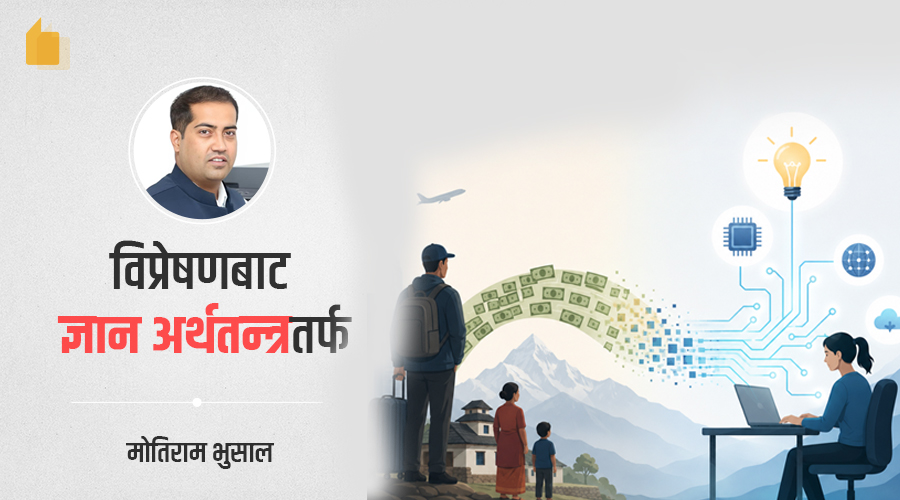
In the global economy, knowledge, data, technology, and innovation have become decisive economic forces alongside land, labor, and capital. Nepal has the potential to make a significant leap into a knowledge-based economy by leveraging its young population and clean energy resources. To achieve this, the country must focus on retaining talent, increasing research initiatives, and strengthening its digital infrastructure. Such measures are crucial for preventing brain drain and harnessing the full benefits of its human capital. The transition to a knowledge economy requires strategic planning and investment in key areas. By addressing these challenges, Nepal can position itself for future economic growth and development.
The global shift towards a knowledge economy underscores the increasing value of intellectual capital and technological advancement. Nepal's demographic advantage, with a large youth population, presents a significant opportunity if channeled effectively through education and innovation. However, the reported weakness in preparation highlights a critical governance challenge: translating potential into tangible economic gains. Future success will depend on developing robust digital infrastructure and fostering an environment that encourages research and retains skilled professionals, thereby mitigating the risk of brain drain and ensuring sustainable development in the digital age.
AI-generated to prompt reflection — not editorial opinion, not advice, not a statement of fact. How this works.