Nepal's 'Loneliest Generation' Faces Emotional Toll of Parental Migration
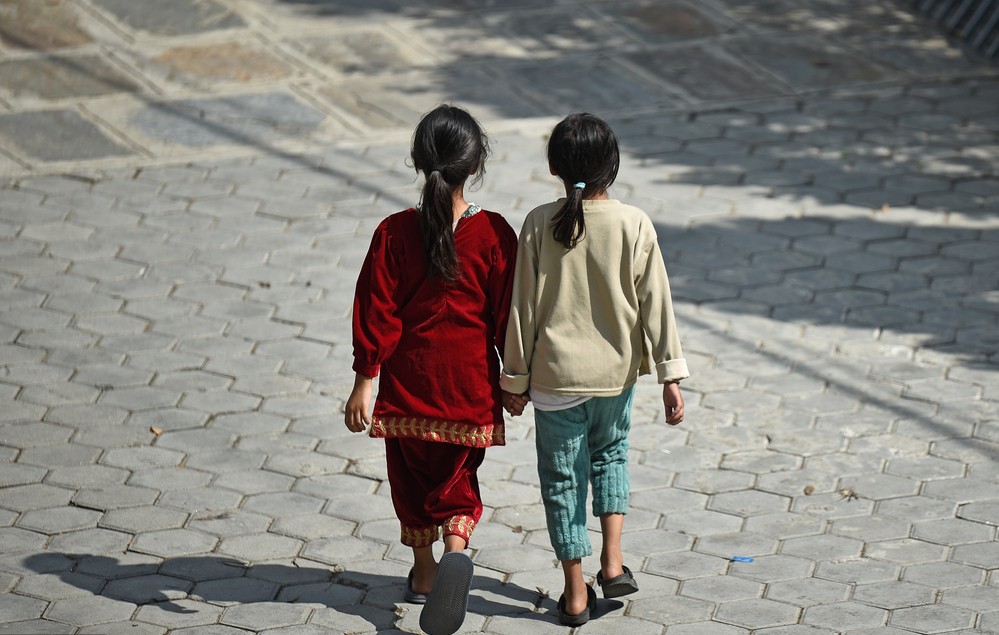
A growing number of children in Nepal are experiencing profound emotional distress due to their parents' absence, a phenomenon described as Nepal's 'loneliest generation.' The financial remittances sent home from overseas, often from places like Doha, are failing to compensate for the lack of paternal presence in daily life. This emotional void, particularly the absence of a father at dinner, represents a significant and unquantified loss for these children. The article highlights the immense psychological impact of this widespread parental migration, suggesting that the economic benefits do not offset the deep personal and familial costs. The issue points to a critical social challenge where economic necessity forces families apart, leaving children to navigate crucial developmental stages without direct parental guidance and emotional support. This situation underscores a growing concern about the long-term well-being of a generation growing up with absent parents.
The economic imperative driving parental migration from Nepal, while providing crucial financial support through remittances, creates a significant social cost by fostering emotional neglect among children. This dynamic highlights a systemic trade-off between immediate economic stability and long-term familial and psychological well-being. As global labor markets continue to incentivize such migration patterns, societies face the challenge of developing robust support systems to mitigate the adverse effects on the children left behind. Future policy considerations should explore mechanisms to balance economic benefits with the preservation of family structures and child development, potentially through enhanced social services, community support networks, or policies that encourage more equitable distribution of economic opportunities within Nepal.
AI-generated to prompt reflection — not editorial opinion, not advice, not a statement of fact. How this works.