Nepal's Manufacturing Sector: Government Apathy and Private Sector Import Reliance
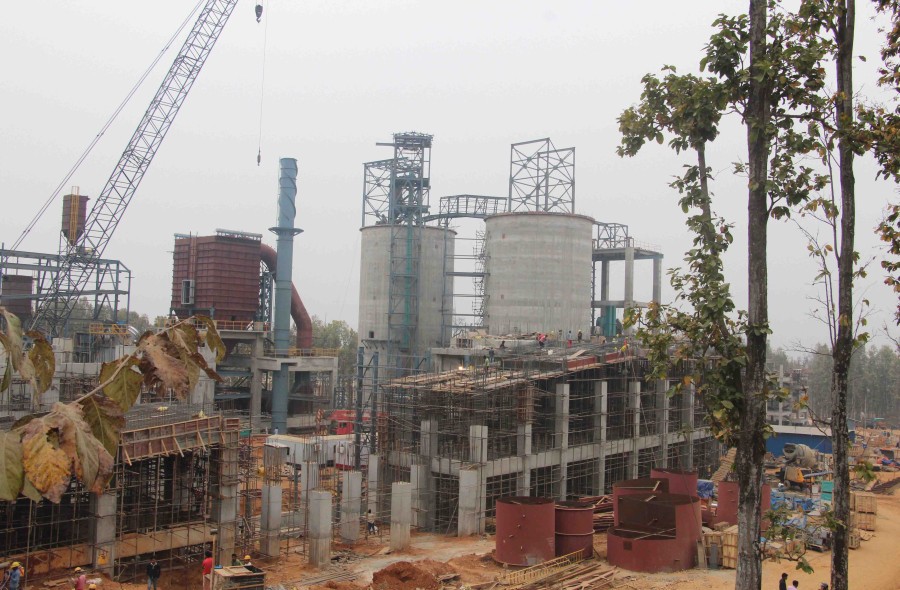
Nepal faces significant challenges in its manufacturing sector, not due to a lack of resources, but rather a combination of governmental inaction and the private sector's preference for imports. The government has shown an unwillingness to expand revenue streams, which could potentially be generated through domestic production and export. This lack of initiative stifles growth and innovation within the country's industrial base. Concurrently, the private sector appears content with relying on imported goods rather than investing in and developing local manufacturing capabilities. This reliance on imports further exacerbates the issue, creating a cycle where domestic production is neglected. The core problem lies in the absence of a supportive policy environment and a proactive private sector engagement in building a robust manufacturing ecosystem. Without a shift in these dynamics, Nepal's manufacturing potential remains largely untapped, hindering economic development and self-sufficiency.
The economic landscape of Nepal's manufacturing sector appears characterized by a misalignment of incentives between government policy and private sector strategy. The government's reluctance to foster revenue expansion may stem from a lack of strategic vision for industrial development or administrative capacity constraints. Meanwhile, the private sector's contentment with imports suggests that the perceived risks and costs of domestic manufacturing outweigh the potential rewards, possibly due to an unstable regulatory environment, inadequate infrastructure, or insufficient market demand for locally produced goods. This dynamic creates a systemic challenge where neither the state nor the private sector is actively driving industrial growth, potentially leading to a continued dependence on foreign goods and hindering long-term economic diversification and resilience in the face of global supply chain shifts.
AI-generated to prompt reflection — not editorial opinion, not advice, not a statement of fact. How this works.