Nepal's Monsoon Disasters Carry Significant Hidden Economic Costs for Rural Families
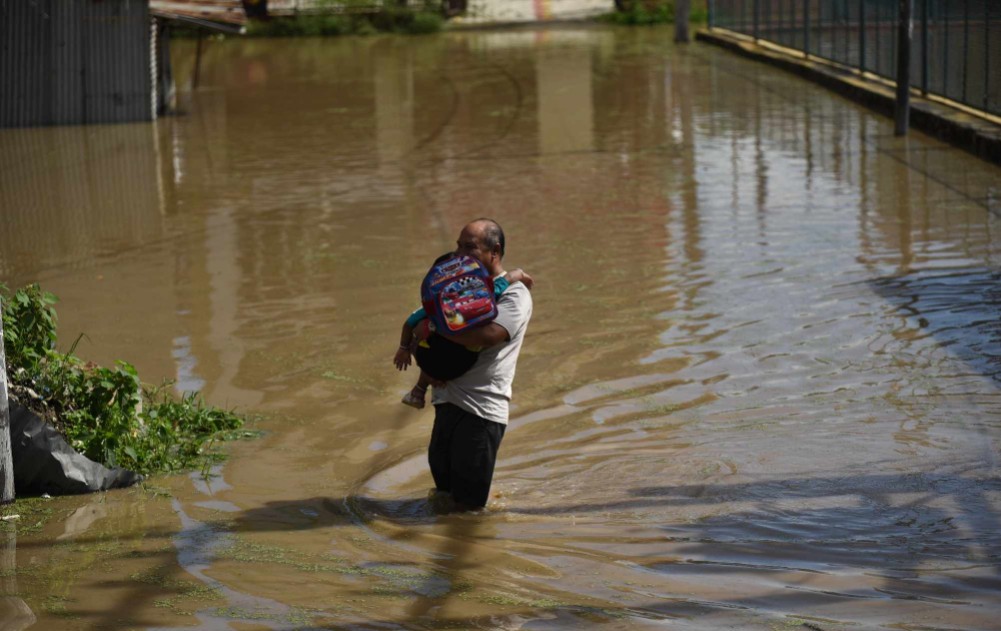
The economic repercussions of Nepal's monsoon-related disasters often start long before physical damage occurs to homes or infrastructure. For many families in rural areas, the impact is felt through disruptions to livelihoods and agricultural activities. These pre-damage economic burdens can include lost income, increased debt, and reduced access to essential resources. The monsoon season, while vital for agriculture, frequently brings floods and landslides that devastate communities. The cumulative effect of these events places a substantial strain on the financial stability of vulnerable populations. Addressing these hidden economic costs is crucial for effective disaster preparedness and recovery strategies in Nepal. Without understanding the full scope of the economic impact, aid and mitigation efforts may fall short of truly supporting affected families. The long-term consequences can hinder development and perpetuate cycles of poverty.
The framing of 'hidden economic bills' suggests that the immediate, visible destruction from monsoon disasters in Nepal is only part of a larger, less apparent financial burden. This perspective highlights the critical need to analyze the indirect and systemic economic consequences that disproportionately affect rural households. Understanding these pre-damage economic impacts, such as lost agricultural productivity and disrupted supply chains, is essential for developing more resilient economic frameworks. Future disaster preparedness strategies should incorporate these less visible costs to ensure comprehensive support and mitigate long-term vulnerability, moving beyond reactive relief to proactive economic strengthening.
AI-generated to prompt reflection — not editorial opinion, not advice, not a statement of fact. How this works.