Nepal's Monsoon Preparedness: Progress Made, but Gaps Remain
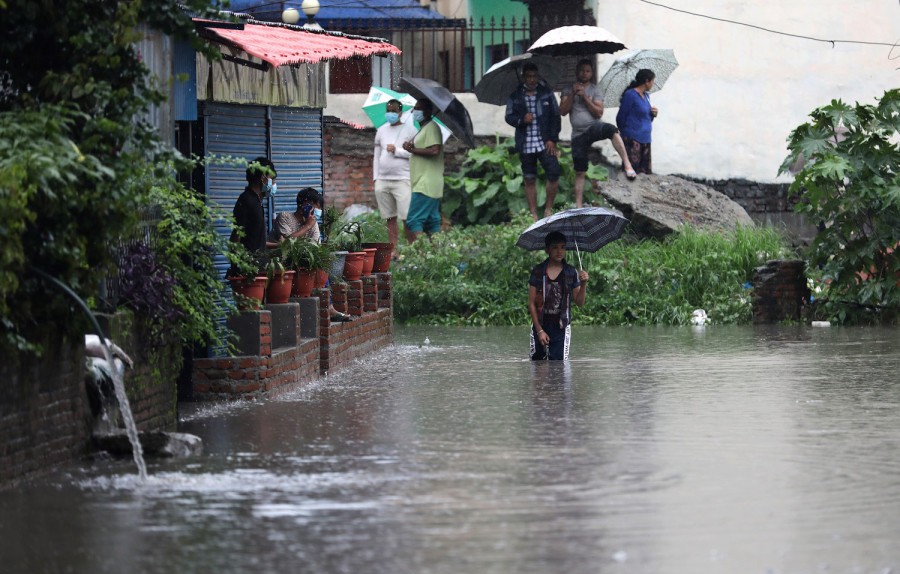
Nepal has made strides in preparing for the monsoon season, but significant challenges persist. True disaster preparedness requires not only immediate response mechanisms but also long-term investments in resilient infrastructure. Stabilizing fragile slopes and implementing comprehensive disaster risk reduction strategies are crucial components that are currently inadequate.
While efforts have been made, the current level of preparedness falls short of what is needed to effectively mitigate the impact of monsoon-related disasters. This highlights a critical gap between the acknowledgment of the problem and the full implementation of robust solutions. Addressing these deficiencies is essential for safeguarding lives and property in Nepal.
Nepal's monsoon preparedness reflects a common challenge where immediate response often overshadows proactive, long-term investment in disaster resilience. The emphasis on stabilizing slopes and building resilient infrastructure points to a need for systemic, capital-intensive solutions that may be difficult to fund and implement rapidly. Future efforts should focus on integrating climate change adaptation into national development plans, leveraging international climate finance, and fostering public-private partnerships to bridge the infrastructure gap. This approach can shift the paradigm from reactive disaster management to proactive risk reduction, ensuring greater long-term safety and stability.
AI-generated to prompt reflection — not editorial opinion, not advice, not a statement of fact. How this works.