Nepal's Neglect of Libraries Highlights Low Priority for Learning Institutions
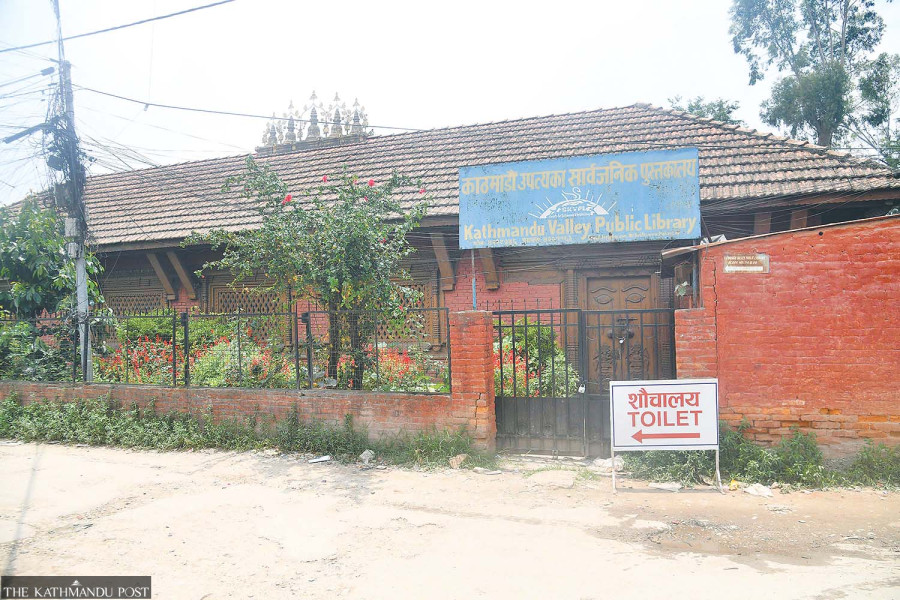
The recent closure of a historic public library in Nepal has brought to light the nation's apparent low priority for institutions that are crucial for fostering learning and knowledge dissemination. This event underscores a broader trend of underfunding and neglect that many public libraries in the country may be facing. Such institutions are vital for providing access to information, promoting literacy, and supporting lifelong education for citizens across all age groups. The closure serves as a stark reminder of the potential consequences when public services that contribute to intellectual and cultural development are not adequately supported. It raises questions about the government's commitment to educational infrastructure and the long-term impact on society. Without robust library systems, communities risk losing valuable resources that empower individuals and contribute to a more informed and engaged citizenry. The situation calls for a re-evaluation of public spending priorities and a renewed focus on preserving and strengthening these essential learning centers.
The closure of a historic library in Nepal, as reported, points to a systemic underinvestment in public knowledge infrastructure. This situation may reflect broader governance challenges in prioritizing cultural and educational assets alongside immediate economic or political concerns. In the emerging AI era, access to curated, reliable information and spaces for critical thinking becomes even more paramount. The long-term societal cost of neglecting such institutions could manifest as reduced civic engagement and a widening digital divide, hindering Nepal's capacity to adapt to future technological and social shifts. A strategic re-evaluation of public funding models for libraries, potentially exploring public-private partnerships or community-led initiatives, could offer a sustainable path forward.
AI-generated to prompt reflection — not editorial opinion, not advice, not a statement of fact. How this works.