Nepal's New E-Passport System Suffers Glitches on Launch Day
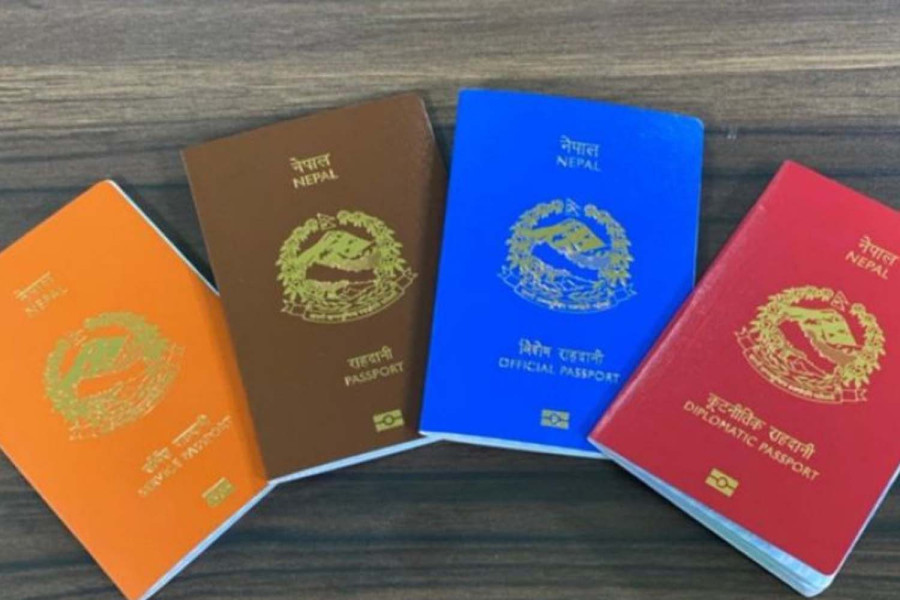
Nepal officially launched its new e-passport system on Monday, but the rollout was marred by significant technical issues. The Department of Passports reported receiving only 1,440 applications on the first day of operation. These low numbers are attributed to widespread glitches affecting both the central server and various service centers across the country. The e-passports were supplied by Germany, and their introduction was intended to modernize Nepal's travel document system. However, the initial technical problems have cast a shadow over the launch, raising concerns about the system's reliability and the government's preparedness for such a significant technological upgrade. Further details on the exact nature of the technical problems and the timeline for resolution have not yet been fully disclosed.
The introduction of a new e-passport system, even with foreign technical assistance, highlights the persistent challenges in digital infrastructure development for many nations. The initial glitches suggest potential issues with integration, capacity planning, or the robustness of the underlying network architecture. For Nepal, a successful e-passport system is crucial for streamlining international travel and enhancing national security. The immediate technical failures, however, could erode public trust and create administrative backlogs. Future efforts should focus on rigorous pre-launch testing, phased rollouts, and robust contingency planning to mitigate such disruptions, ensuring that technological advancements serve to improve, rather than hinder, essential public services.
AI-generated to prompt reflection — not editorial opinion, not advice, not a statement of fact. How this works.