Nepal's Paddy Plantation Reaches 55% by End of June
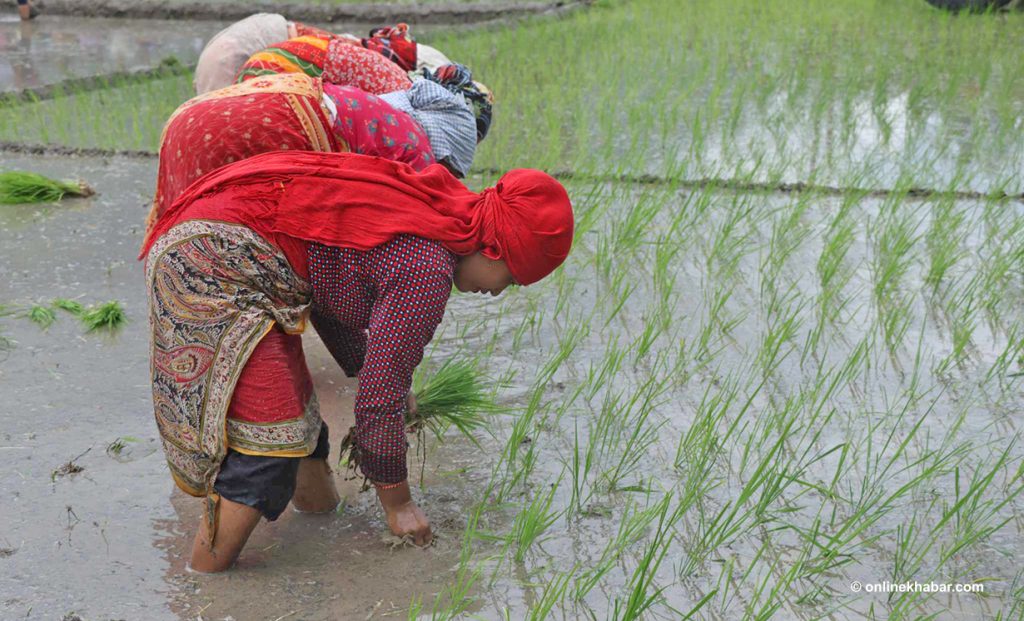
By the end of June, approximately 55 percent of Nepal's paddy plantation for the current year has been completed. According to the latest data from the Department of Agriculture, under the Ministry of Agriculture, Forestry, and Environment, 54.52 percent of the total paddy cultivation area had been planted as of the final week of June. The total area designated for paddy cultivation across the country is 1,370,062 hectares. So far, planting has been finished on 700,000 hectares, which represents 54.52% of the total area. This figure indicates a significant shortfall compared to the expected progress at this stage of the season. The remaining area will need to be planted in the coming weeks, contingent on favorable weather conditions and water availability. The agricultural sector's performance is crucial for Nepal's economy, and delays in planting can impact overall food security and agricultural output for the year. Further updates on the progress will be monitored closely by the Department of Agriculture.
The reported 55% paddy plantation completion by the end of June in Nepal highlights a potential vulnerability in the agricultural sector's alignment with seasonal timelines. This pace, if it persists, could influence national food security metrics and agricultural GDP contributions. Future agricultural planning may need to incorporate more robust climate resilience strategies and water management systems to mitigate the impact of weather-dependent planting cycles. Examining the underlying factors, such as access to irrigation, timely availability of agricultural inputs, and labor dynamics, will be crucial for optimizing planting schedules and ensuring consistent yields in the face of evolving environmental conditions.
AI-generated to prompt reflection — not editorial opinion, not advice, not a statement of fact. How this works.