Nepal's Para Athletes Rely on Hope and Donations Amidst Insufficient Government Support
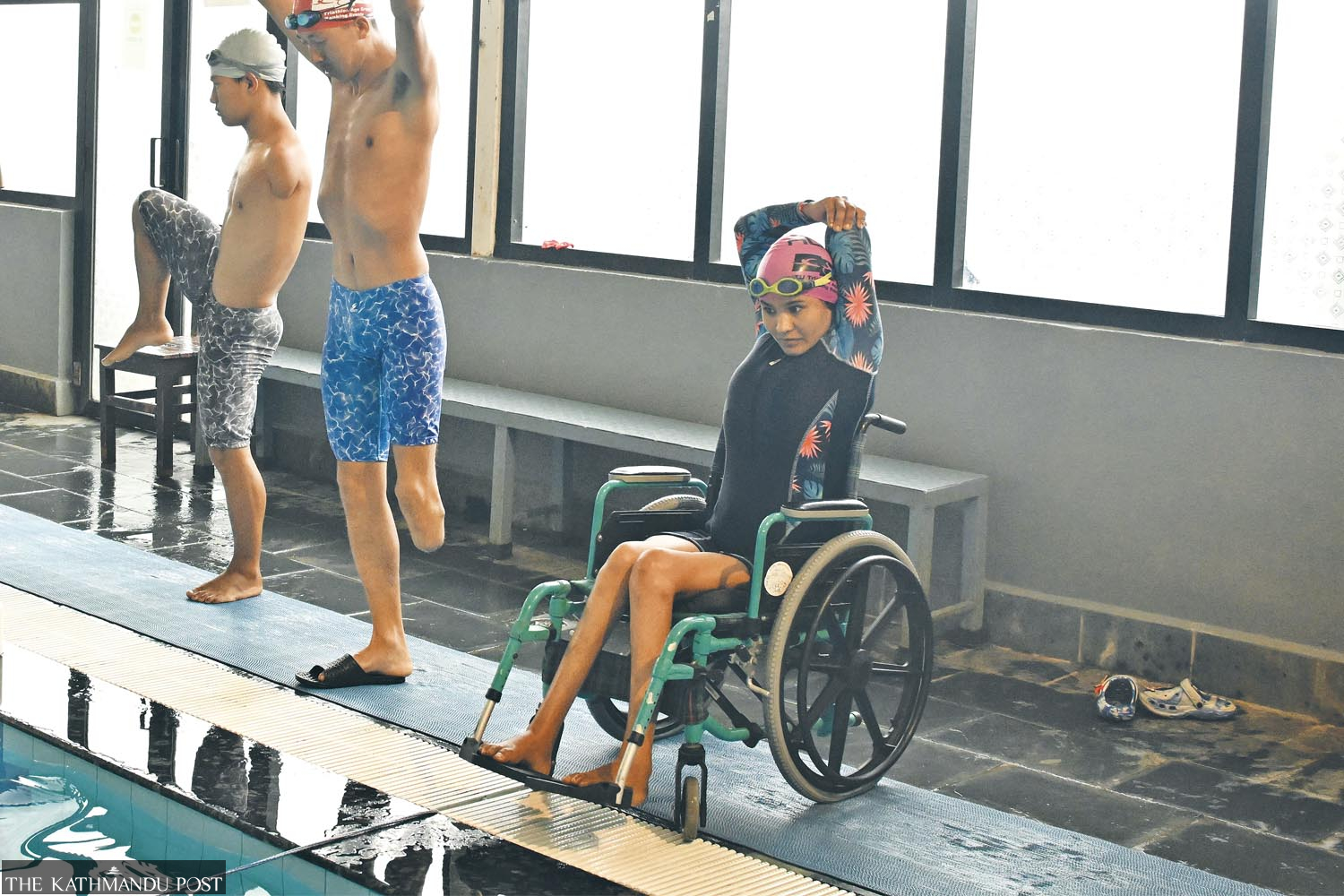
Nepalese para-athletes are facing significant challenges in their preparation for the upcoming Asian Para Games, primarily due to a severe lack of government funding. The financial support provided by the government is reportedly falling far short of the actual costs associated with training and participation. As a result, both the athletes themselves and their associated organizations are compelled to seek alternative funding sources. These sources predominantly consist of personal contributions from individuals and potentially crowdfunding efforts. This reliance on donations and personal sacrifices highlights the precarious situation many para-athletes face in Nepal. Despite these hurdles, the athletes remain determined to compete and aim for medals, driven by their aspirations and the generosity of those who support them. The situation underscores a broader issue of inadequate resource allocation for para-sports within the country. The athletes' dedication in the face of such adversity is a testament to their commitment to representing Nepal on an international stage.
The situation of Nepal's para-athletes highlights a systemic challenge in sports development, where governmental support infrastructure may not adequately align with the actual financial needs of athletes, particularly those in para-sports. This reliance on donations and personal contributions, while demonstrating individual resilience and community spirit, points to potential governance gaps in resource allocation and long-term strategic planning for national athletic programs. Looking ahead, such funding models are unsustainable and can create significant barriers to consistent elite performance and equitable participation. Future strategies could explore diversified revenue streams, public-private partnerships, and enhanced corporate social responsibility initiatives to ensure para-athletes have the necessary resources to train and compete effectively, fostering a more robust and inclusive sports ecosystem.
AI-generated to prompt reflection — not editorial opinion, not advice, not a statement of fact. How this works.