Nepal's Plains: Past Incidents Highlight Community Engagement's Role in Quelling Strife
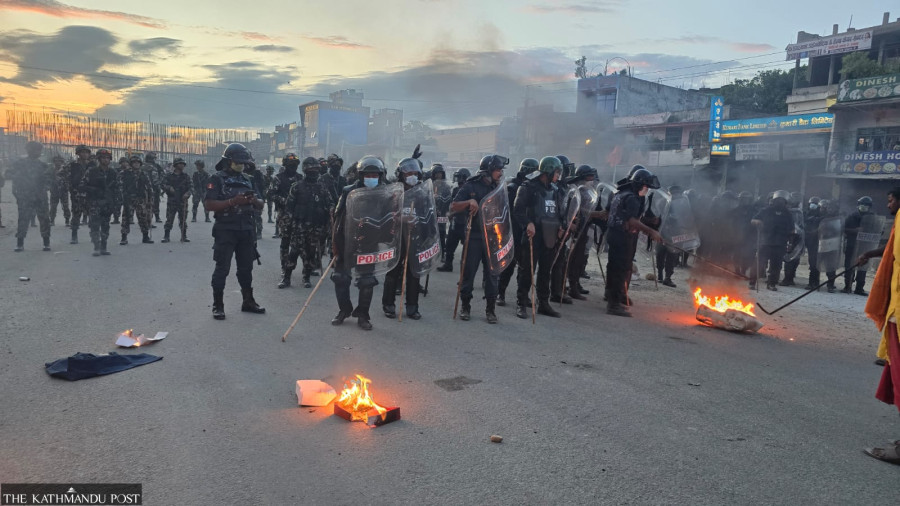
Past incidents in Nepal's plains, such as the Dewanganj violence, have demonstrated that political and social engagements are crucial for quelling communal strife. The cost of delayed coordination in such events is measured not only in lives lost but also in the erosion of trust between communities. Furthermore, unrest can easily spread beyond the initial site of violence if not addressed promptly and effectively. These historical examples underscore the importance of proactive and coordinated responses to prevent the escalation of communal tensions. Engaging political and social stakeholders early on can help mediate disputes and foster understanding. The consequences of inaction or delayed action can be severe, leading to prolonged instability and deep-seated mistrust. Therefore, a focus on timely intervention and inclusive dialogue is essential for maintaining peace and social cohesion in the region.
Historical instances of communal strife in Nepal's plains, exemplified by the Dewanganj violence, reveal a pattern where delayed coordination exacerbates tensions, leading to loss of life and fractured community relations. The analysis suggests that proactive political and social engagement serves as a critical mechanism for de-escalation. This points to a systemic need for robust conflict resolution frameworks that prioritize early intervention and inclusive dialogue. In the context of Nepal's diverse social fabric, fostering trust and understanding through consistent engagement appears to be a more sustainable strategy than reactive measures. The long-term implications of unresolved communal issues can hinder socio-economic development and national stability, suggesting that investment in community peacebuilding is a strategic imperative for future resilience.
AI-generated to prompt reflection — not editorial opinion, not advice, not a statement of fact. How this works.