Nepal's Political Parties Unite During National Crises
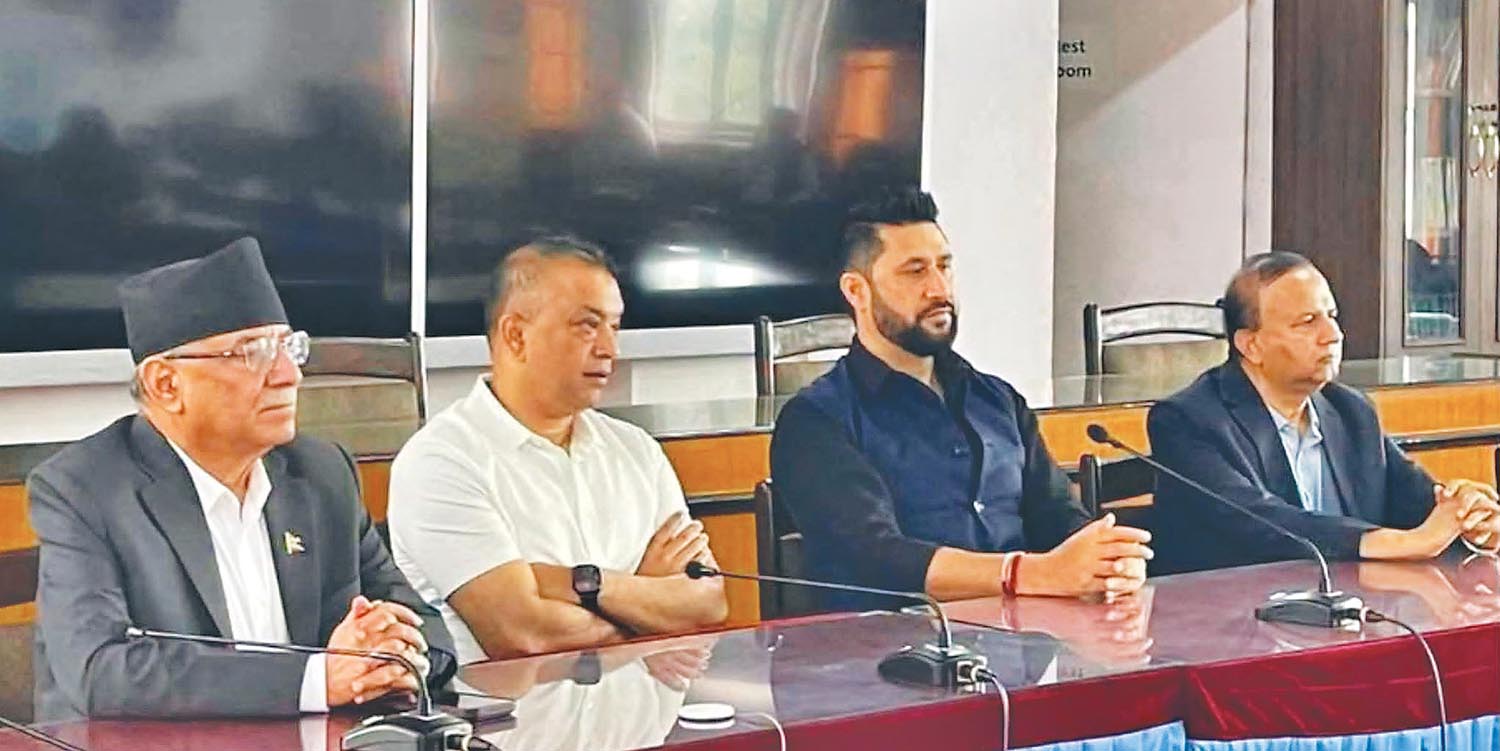
Nepal's political parties have demonstrated a consistent pattern of setting aside significant ideological and political differences to address national crises collectively. This solidarity has been evident in various instances, including the formation of the 12-point understanding, a significant political agreement. More recently, this unity has been observed in the face of communal tensions that have emerged within the country. These events highlight a recurring theme where political factions prioritize national stability and collective problem-solving over partisan disputes when faced with significant challenges. The willingness to forge common ground, even amidst deep-seated political disagreements, suggests a pragmatic approach to governance during critical periods.
The recurring instances of political parties in Nepal setting aside differences during crises suggest a pragmatic approach to governance, potentially driven by the need to maintain national stability and public confidence. This dynamic reflects a common challenge in multiparty democracies where coalition-building and consensus are essential for navigating national emergencies. The capacity for such solidarity, however, may be tested by the long-term sustainability of these alliances and their ability to address the underlying causes of communal tensions or political instability. Future governance models might benefit from exploring mechanisms that institutionalize this crisis-driven cooperation into more consistent policy-making frameworks, ensuring that national interests are proactively addressed rather than reactively managed.
AI-generated to prompt reflection — not editorial opinion, not advice, not a statement of fact. How this works.