Nepal's Press Freedom Under Scrutiny Amid Government's First 100 Days
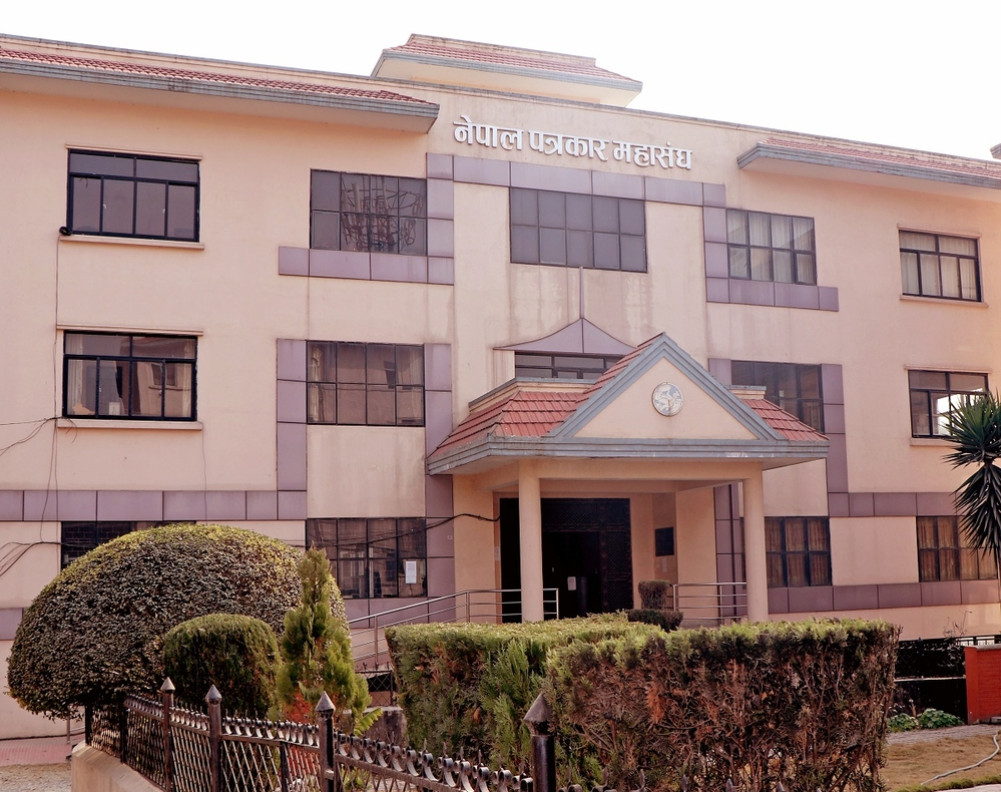
Media organizations in Nepal have voiced significant concerns regarding press freedom during the first 100 days of Prime Minister Balendra Shah's government. These concerns stem from a series of actions and policies perceived as increasing pressure on journalists and media outlets. Specific points of contention include warnings issued by government ministers, instances of online intimidation targeting media professionals, and a contentious new advertising policy. Additionally, several court rulings have been cited as contributing to a climate of diminished press freedom. These combined factors have led media groups to collectively express apprehension about the current state of journalistic independence in the country. The situation highlights a tension between government actions and the fundamental right to a free press, a cornerstone of democratic societies. The international community often monitors such developments as indicators of a nation's commitment to democratic principles and human rights.
The initial 100 days of the Balendra Shah government have brought into focus the delicate balance between state authority and media independence. The reported ministerial warnings, online intimidation, and policy disputes suggest potential governmental attempts to shape public discourse or control information flow. Such actions, if substantiated, could reflect a broader trend of increasing state intervention in media operations, potentially impacting journalistic autonomy and the public's access to diverse information. Future governance will likely be shaped by how these tensions are resolved, influencing Nepal's democratic trajectory and its standing in the global landscape of press freedom. Navigating these challenges requires a commitment to transparency and upholding established legal frameworks that protect free expression.
AI-generated to prompt reflection — not editorial opinion, not advice, not a statement of fact. How this works.