Nepal's Ruling Coalition Faces Instability Amidst Shifting Alliances
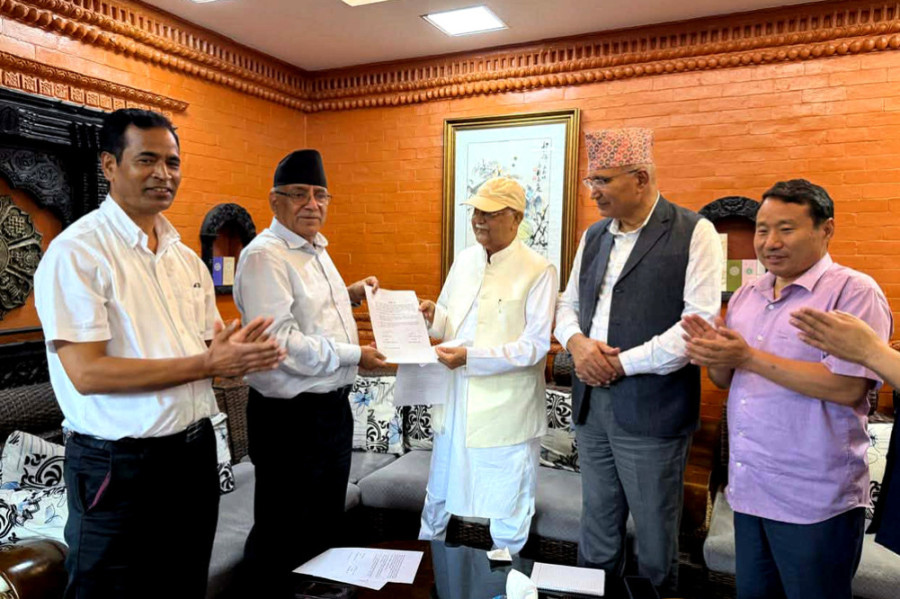
Nepal's ruling coalition is experiencing significant internal strain, with cracks appearing in the relationship between the Communist Party of Nepal (Unified Marxist-Leninist) [CPN-UML] and the Nepali Congress. Despite a recent power-sharing agreement between the CPN-UML and the CPN (Maoist Centre), the broader coalition arithmetic suggests that regional and smaller parties now hold considerable influence. This dynamic creates potential instability, as the government's survival may depend on the support of these fringe groups. The shifting alliances highlight the complex and often fluid nature of Nepali politics, where national-level agreements can be undermined by regional interests and the leverage of smaller political entities. Observers are closely watching how these internal divisions will impact governance and policy-making in the coming months.
The reported shifts in Nepal's ruling coalition dynamics, particularly between the CPN-UML and Nepali Congress, illustrate common challenges in multi-party parliamentary systems. The reliance on coalition arithmetic, where smaller parties gain disproportionate leverage due to their 'kingmaker' status, can lead to governance instability and policy fragmentation. This structure incentivizes parties to prioritize short-term gains and coalition maintenance over long-term national interests. Looking ahead, the increasing influence of regional and fringe parties may complicate the implementation of national development agendas and could test the resilience of democratic institutions if coalition partners prioritize narrow interests. The long-term sustainability of such governments often hinges on effective negotiation and compromise, or risks succumbing to inherent structural fragilities.
AI-generated to prompt reflection — not editorial opinion, not advice, not a statement of fact. How this works.