Nepal's Traffic Management: Beyond Fines to Safety Culture
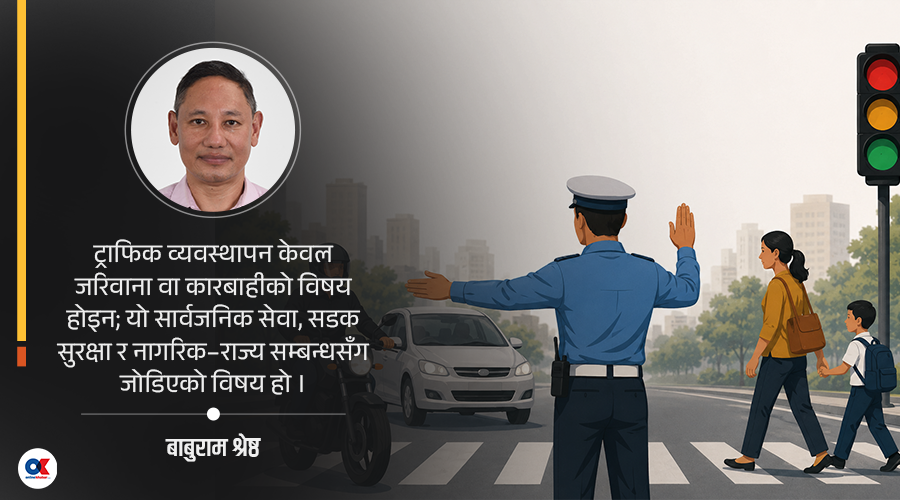
Nepal's traffic management system needs to move beyond mere enforcement of strict laws to reduce road accidents. While stringent regulations are essential, the ultimate goal of traffic management should be to foster a safe road culture, not just to collect fines. Achieving this requires a combination of strict rule adherence, humane treatment of citizens, scientifically sound policies, and the cultivation of public trust. The current approach, perceived by some as solely focused on penalties, needs a reevaluation to incorporate these broader objectives. Building trust and promoting a culture of safety are crucial for long-term success in minimizing road fatalities and injuries. This shift necessitates a comprehensive strategy that prioritizes education and public engagement alongside enforcement.
The effectiveness of Nepal's traffic management hinges on balancing regulatory enforcement with public trust and safety culture development. While strict laws are a necessary component for accident reduction, an overemphasis on punitive measures without fostering a sense of shared responsibility or demonstrating humane policy application risks alienating the public. Future-oriented traffic systems globally are integrating technology and behavioral science to create safer environments, suggesting Nepal could explore similar avenues. A strategy that prioritizes citizen engagement, transparent policy-making, and visible efforts towards building trust alongside enforcement is likely to yield more sustainable improvements in road safety over the next decade.
AI-generated to prompt reflection — not editorial opinion, not advice, not a statement of fact. How this works.