Nepal's 'Vibes Diplomacy' Encounters Real-World Challenges
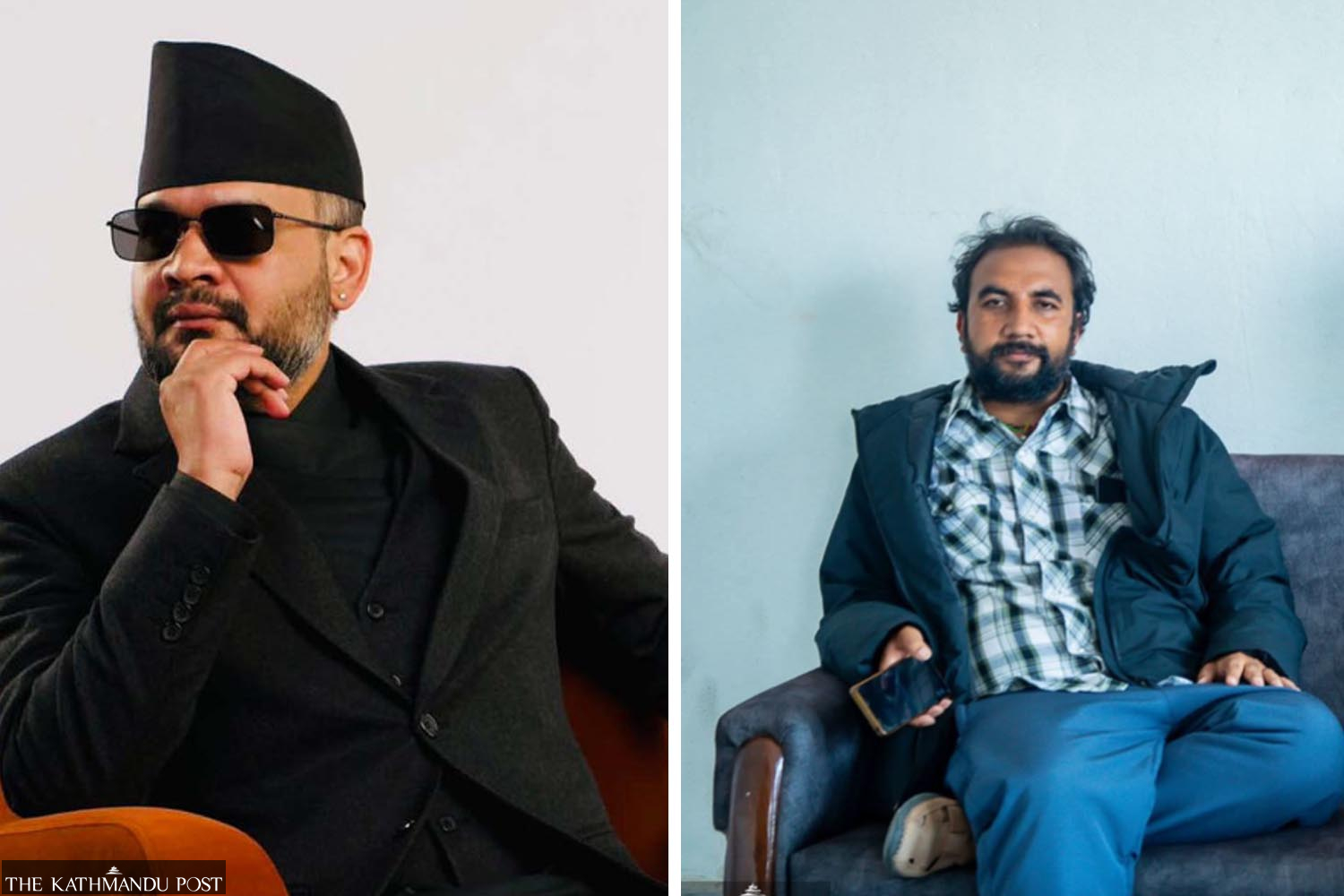
The initial 100 days of Balendra Shah's government in Nepal were characterized by a diplomatic approach focused on asserting sovereign equality with foreign envoys. This period saw the government engaging in what could be described as a "diplomacy of vibes," emphasizing a sense of equal standing in its interactions. However, this approach has now encountered the practical realities of international relations. The need to actively seek tangible outcomes, such as securing an invitation, highlights a shift from symbolic gestures to the necessity of concrete diplomatic actions. This transition suggests that while the government aimed to project an image of strong sovereignty, the practical demands of international engagement require proactive efforts to obtain specific benefits and opportunities.
The narrative suggests a tension between Nepal's aspiration for sovereign equality and the practical mechanisms of international engagement. While projecting an image of equal standing is a valid diplomatic goal, the necessity of actively soliciting invitations points to the enduring importance of established protocols and proactive relationship-building in securing international opportunities. This dynamic highlights a common challenge for emerging nations: balancing assertive national identity with the pragmatic requirements of global diplomacy. Future diplomatic strategies may need to integrate symbolic assertions of sovereignty with more concrete, proactive efforts to foster beneficial international partnerships and access.
AI-generated to prompt reflection — not editorial opinion, not advice, not a statement of fact. How this works.