Nepal Sees Record Tourist Stays, But Spending Declines
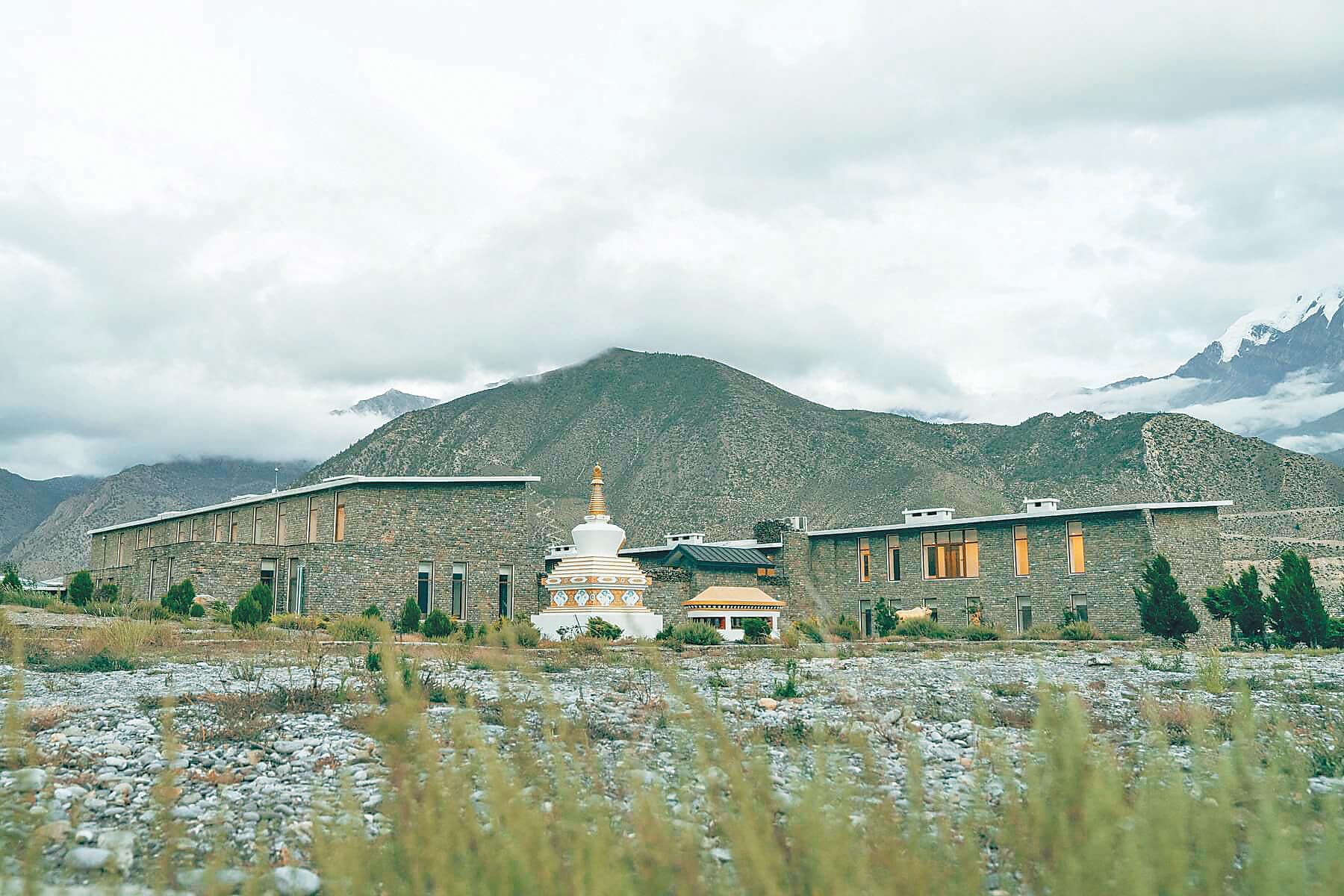
In 2025, Nepal experienced a record average length of stay for foreign tourists, reaching 16.34 days. However, this extended duration was accompanied by a decrease in daily spending, which fell to $33.09, marking the second-lowest figure on record. Hotel owners attribute this trend to several factors that deter high-spending travelers. These include concerns over weak transport safety and the impact of price wars within the industry. Additionally, political disruptions are cited as a significant reason for the decline in per-tourist expenditure. Despite these challenges, the country has seen a boom in luxury hospitality offerings, indicating a potential mismatch between the market's offerings and the spending habits of visiting tourists.
Nepal's tourism sector faces a complex dynamic where increased visitor volume, measured by length of stay, does not translate to proportional economic benefit due to reduced daily expenditure. This suggests a potential oversupply of lower-cost tourism options or a market segment prioritizing duration over spending. Addressing infrastructure concerns, such as transport safety, and mitigating political instability are crucial for attracting higher-value tourism. The growth in luxury hospitality, juxtaposed with declining spending, highlights a need for strategic recalibration to align service provision with the economic capacity and preferences of target tourist demographics. Future policy should focus on enhancing the perceived value and safety of Nepal as a destination to encourage greater economic contribution from each visitor.
AI-generated to prompt reflection — not editorial opinion, not advice, not a statement of fact. How this works.