Nepal Sees Sugar Smuggling Surge After India's Export Ban
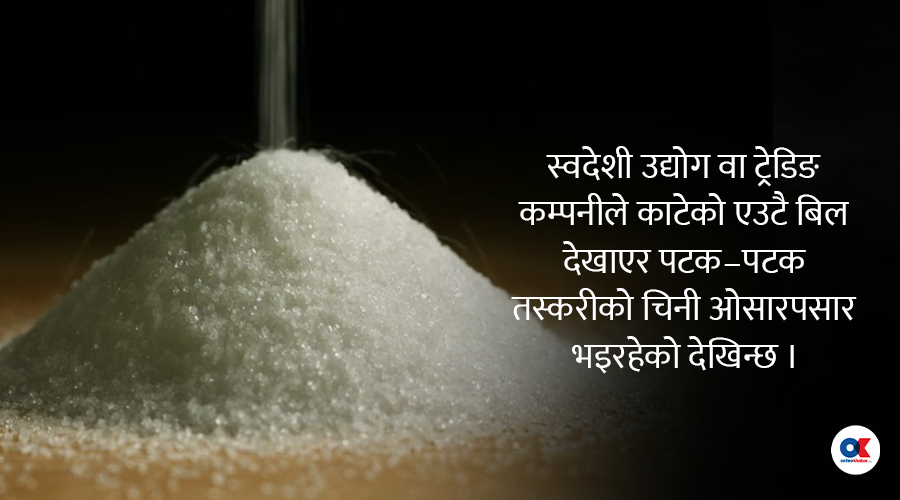
Sugar smuggling into Nepal has dramatically increased following India's decision to impose a complete ban on sugar exports. This ban, enacted by the Indian government on May 14, 2026 (31 Vaisakh 2083 BS), has directly led to a significant rise in illicit trade. Stakeholders in Nepal have reported that the volume of smuggled sugar has more than doubled within a single month. The surge is a direct consequence of the policy change in India, which aims to manage its domestic sugar supply. This situation highlights the vulnerability of Nepal's market to external policy shifts and the challenges in controlling cross-border trade. The increased smuggling poses economic challenges for legitimate sugar businesses in Nepal and raises concerns about market stability and revenue collection. Authorities are reportedly grappling with how to effectively curb this growing illicit trade.
India's imposition of a full sugar export ban, while intended to manage domestic supply, has created an economic incentive for smuggling into neighboring Nepal. This policy shift highlights the interconnectedness of regional economies and the potential for unintended consequences when trade is restricted. The surge in smuggling demonstrates the elasticity of supply and demand across borders and the challenges of enforcing trade regulations in areas with porous frontiers. Over the next decade, such policy-driven trade disruptions could become more frequent, necessitating proactive strategies for supply chain resilience and regional cooperation to mitigate illicit flows and ensure market stability for all involved nations.
AI-generated to prompt reflection — not editorial opinion, not advice, not a statement of fact. How this works.
